
“`html
Matcha Breakfast Bowl Recipes: The Complete Guide to Creating Nutrient-Dense Morning Bowls
You’ve probably scrolled past those gorgeous green breakfast bowls on social media and wondered if they’re actually worth the hype—or if they taste like grass clippings. Here’s the honest truth: matcha breakfast bowl recipes have become a legitimate nutritional powerhouse, not just an Instagram aesthetic. What started as a traditional Japanese ceremonial drink has evolved into something far more versatile, and when you understand how to build these bowls properly, they become one of the most satisfying ways to start your day.
The beauty of matcha breakfast bowl recipes isn’t just about the vibrant green color (though that’s certainly a bonus). It’s about combining a nutrient-dense base with complementary toppings that create a balanced meal. Whether you’re looking to boost your energy, support sustained focus, or simply eat something that actually tastes good, these bowls deliver on all fronts.
What Makes Matcha Such a Powerful Breakfast Ingredient?
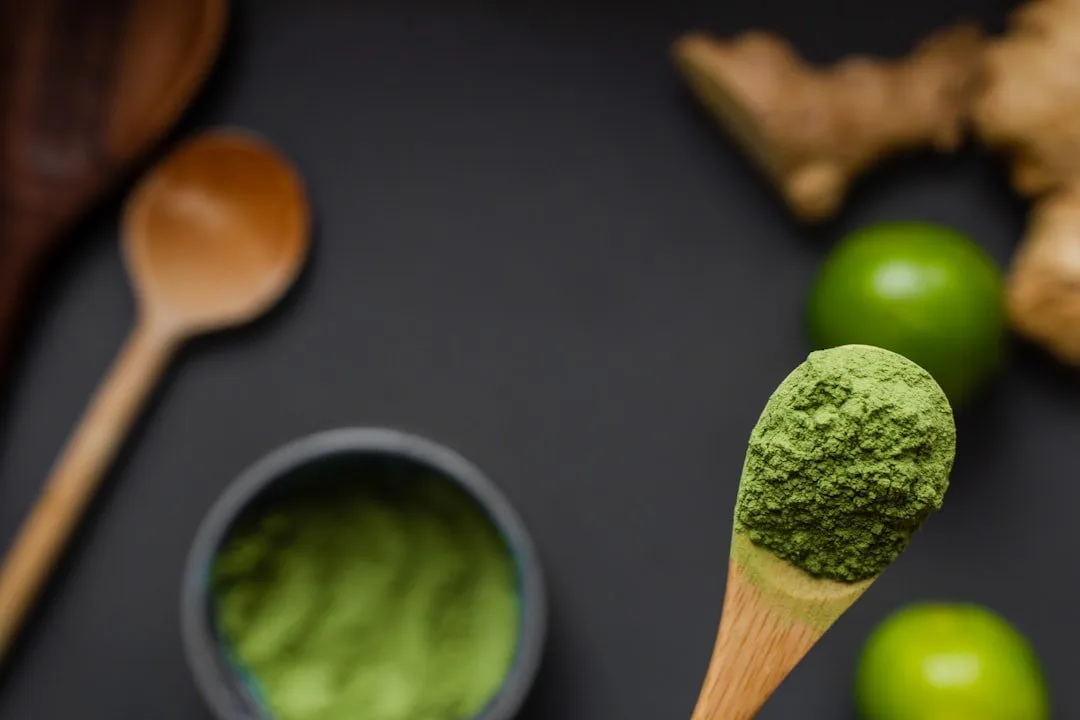
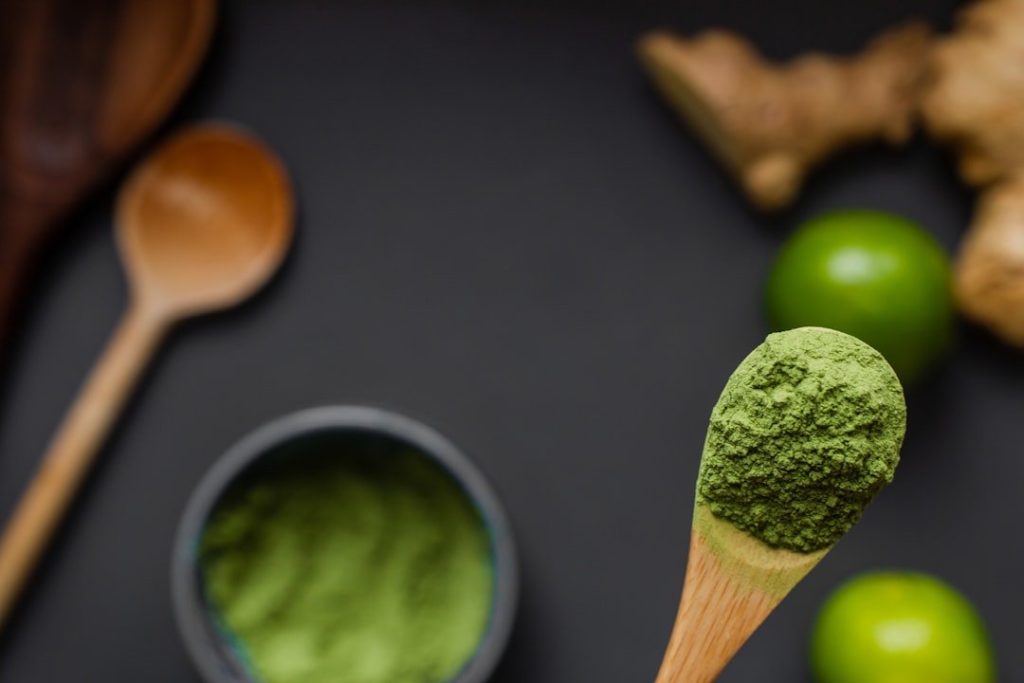
Matcha is a finely ground powder made from shade-grown green tea leaves, and unlike regular green tea where you steep and discard the leaves, you consume the entire leaf. This means you’re getting the full nutritional package—all the antioxidants, amino acids, and bioactive compounds intact. Research from [Harvard T.H. Chan School of Public Health](https://hsph.harvard.edu) has documented that matcha contains significantly higher concentrations of catechins (powerful antioxidants) compared to regular steeped green tea.
What makes matcha particularly special for breakfast is the presence of L-theanine, an amino acid that works synergistically with caffeine. While matcha does contain caffeine (about 25-70mg per teaspoon, depending on quality), the L-theanine creates a calm, focused energy rather than the jittery spike you might get from coffee. You’re looking at sustained mental clarity for 4-6 hours without the crash.
The chlorophyll content gives matcha its distinctive green color and also supports natural detoxification processes in your body. Additionally, matcha contains EGCG (epigallocatechin gallate), a catechin that research suggests may support metabolic health and cellular function.
How Do You Choose High-Quality Matcha for Your Breakfast Bowls?
Not all matcha powder is created equal, and the quality dramatically affects both flavor and nutritional content. Ceremonial-grade matcha is the highest quality, with a vibrant green color, fine texture, and a naturally sweet, umami flavor. Culinary-grade matcha is less expensive and works fine for breakfast bowls, though it may have a slightly more bitter taste. The key difference comes down to how the tea plants are grown and processed.
When shopping for matcha, look for these markers of quality:
- Color: Vibrant, bright green (not dull or yellowish-brown)
- Origin: Japanese matcha, ideally from regions like Uji, Nishio, or Enshi
- Texture: Fine powder that dissolves smoothly, not grainy or clumpy
- Packaging: Stored in airtight, opaque containers to protect from light and oxidation
- Freshness: Check the harvest date; matcha is best within 6-12 months of production
Store your matcha in the refrigerator or freezer after opening. The cold environment preserves the delicate compounds that give matcha its nutritional edge.
What Are the Essential Components of a Balanced Matcha Breakfast Bowl?
A well-constructed matcha breakfast bowl contains four key layers: the matcha base, a creamy component, protein and healthy fats, and nutrient-dense toppings. Each layer serves a specific nutritional purpose and contributes to satiety and sustained energy throughout your morning.
Here’s how to structure your bowl for maximum nutrition and flavor:
- The Matcha Base (1-2 teaspoons matcha powder): Whisk with hot water (not boiling—aim for 160-170°F) to create a smooth, lump-free suspension. Some people add a splash of cold milk immediately after whisking to cool it slightly.
- Creamy Component (½ to 1 cup): This could be yogurt, coconut milk, almond milk, or a blend. Yogurt adds probiotics and protein; plant-based milks offer a lighter texture.
- Protein and Healthy Fats: Nut butters, seeds (chia, hemp, pumpkin), nuts, or granola provide sustained energy and help slow carbohydrate absorption.
- Nutrient-Dense Toppings: Fresh or frozen fruit, leafy greens, coconut flakes, and superfoods like goji berries or cacao nibs add fiber, vitamins, and minerals.
The ratio matters. You’re aiming for a bowl that feels substantial—roughly 300-400 calories if this is your only breakfast, or 200-250 calories if you’re pairing it with something else.
What Are the Best Matcha Breakfast Bowl Recipes to Try Right Now?
The foundation of any great matcha breakfast bowl recipe starts with a properly prepared matcha base, followed by complementary ingredients that balance flavor, texture, and nutrition. Here are four recipes that actually work, tested and refined for real-world mornings when you don’t have unlimited time.
The Classic Creamy Matcha Bowl
This is your go-to when you want simplicity without sacrificing nutrition. Whisk 1.5 teaspoons matcha with 3 tablespoons hot water until completely smooth. Pour into a bowl with ½ cup Greek yogurt and ½ cup almond milk. Top with ¼ cup granola, sliced fresh strawberries, a drizzle of raw honey, and a handful of sliced almonds. The Greek yogurt provides 15g of protein, keeping you full until lunch. The granola adds textural contrast, and the fruit brings natural sweetness and vitamin C.
The Tropical Coconut Matcha Bowl
Whisk 1.5 teaspoons matcha with 3 tablespoons hot water. Combine with ¾ cup coconut yogurt and ¼ cup coconut milk. Top with diced mango, fresh blueberries, ¼ cup shredded coconut, 2 tablespoons chopped macadamia nuts, and a sprinkle of chia seeds. This version leans into the creaminess of coconut, which complements matcha’s earthy notes beautifully. The mango and blueberries add natural sweetness and antioxidants.
The Protein-Packed Matcha Bowl
For those mornings when you need serious staying power: whisk 1.5 teaspoons matcha with 3 tablespoons hot water, then pour over ½ cup plain yogurt mixed with ½ scoop vanilla protein powder (about 12g additional protein) and ½ cup unsweetened almond milk. Top with ¼ cup raw granola, 1 tablespoon almond butter (drizzled on top), sliced banana, and a handful of hemp seeds. This bowl delivers approximately 25g of protein and keeps blood sugar stable for hours.
The Green Smoothie Bowl Base
Blend 1 teaspoon matcha powder with 1 cup unsweetened almond milk, ½ frozen banana, ½ cup spinach, and ½ cup Greek yogurt until smooth and thick (thicker than a drinkable smoothie). Pour into a bowl and top with granola, fresh berries, coconut flakes, and sliced almonds. The spinach adds iron and folate without changing the taste—the matcha and banana mask any grassy notes.
Why Should You Add Specific Nutrients to Your Matcha Breakfast Bowl Recipes?
Strategic topping choices transform a matcha breakfast bowl from a nice-looking meal into a nutritional powerhouse that supports your specific health goals. Understanding which nutrients work together helps you build bowls that actually keep you satisfied and energized.
Consider adding these nutrient-dense components:
- Chia seeds or flax seeds: Provide omega-3 fatty acids and soluble fiber that support heart health and digestive regularity
- Hemp seeds: Complete protein source with all nine essential amino acids; also rich in magnesium for muscle function
- Berries (fresh or frozen): High in anthocyanins, a class of antioxidants that support brain health and may reduce inflammation
- Nuts and nut butters: Provide vitamin E, magnesium, and sustained-release fats that prevent blood sugar spikes
- Coconut: Contains medium-chain triglycerides (MCTs) that may support sustained energy and cognitive function
- Leafy greens: Spinach, kale, or arugula add minerals like iron and calcium without significantly altering taste
Research from [NIH’s Office of Dietary Supplements](https://ods.od.nih.gov) shows that consuming antioxidant-rich foods like matcha alongside nutrient-dense toppings enhances overall micronutrient absorption and utilization in your body. The synergy matters.
How Can You Meal Prep Matcha Breakfast Bowl Recipes for the Whole Week?
Matcha breakfast bowl recipes become genuinely convenient when you prep components in advance, though the matcha itself should always be prepared fresh to preserve its nutritional integrity and flavor. Here’s a realistic approach that doesn’t turn your Sunday into a cooking marathon.
Follow this simple prep strategy:
- Sunday evening: Wash and dry all fresh produce. Chop fruit that won’t brown quickly (like berries and melon). Store in airtight containers in the fridge.
- Prepare dry components: Portion out granola, nuts, seeds, and coconut into small containers. These stay fresh for 7-10 days.
- Make yogurt blends: If using a base of yogurt plus milk, you can pre-mix these in individual containers. Add matcha powder just before eating to prevent the mixture from oxidizing.
- Freeze what makes sense: Frozen berries are actually superior for matcha bowls because they stay fresh longer and add a cooling element. Frozen banana slices work beautifully too.
- Fresh matcha daily: Spend 60 seconds whisking matcha powder with hot water each morning. This takes less time than making coffee and ensures maximum nutritional benefit.
The entire assembly process takes about 3-4 minutes once components are prepped. You’re essentially layering pre-made ingredients into a bowl.
What Mistakes Do People Make When Creating Matcha Breakfast Bowl Recipes?
The most common mistake is using water that’s too hot when whisking matcha, which damages the delicate compounds and creates a bitter, unpleasant taste. Water temperature should be around 160-170°F—hot enough to dissolve the powder but not so hot that it scalds the tea leaves. If you don’t have a thermometer, let boiling water cool for about 3-4 minutes before whisking. Here's the honest truth: matcha breakfasthonest truth: matcha breakfast bowl recipestruth: matcha breakfast bowl recipes have
Other frequent missteps