
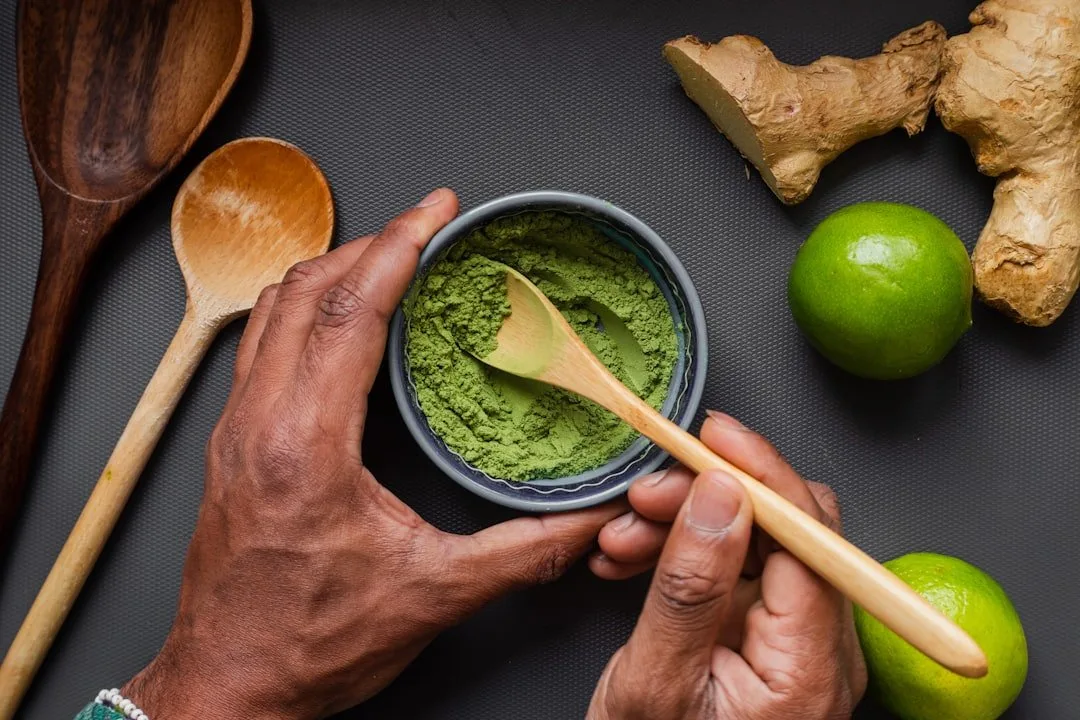
Matcha enhances athletic performance through L-theanine (improving focus without jitteriness), catechins (boosting fat oxidation and endurance), and antioxidants (accelerating recovery). Elite athletes consume 1–2 grams 45–60 minutes before training or competition for sustained mental clarity, metabolic efficiency, and reduced inflammation—making it a legitimate performance tool beyond marketing hype.
- L-theanine and caffeine in matcha create smooth focus without the crash of coffee or energy drinks
- Catechins enhance fat oxidation, improving endurance capacity and metabolic efficiency
- Polyphenol antioxidants reduce post-exercise inflammation and accelerate recovery between training sessions
Matcha athletes performance has become a genuine talking point in sports nutrition circles, and it’s not just wellness marketing hype. Elite athletes across endurance sports, strength training, and competitive gaming are quietly swapping their pre-workout supplements for ceremonial-grade matcha powder. What started as a trendy green drink in yoga studios has evolved into a legitimate performance tool backed by measurable physiological effects. The question isn’t whether matcha works—it’s understanding why it works so effectively for athletic performance, and whether it deserves a spot in your training regimen.
What Makes Matcha Different From Regular Green Tea?
Here’s where most people get confused: matcha isn’t just powdered green tea. When you drink regular green tea, you’re steeping leaves and then discarding them, leaving behind a significant portion of the plant’s beneficial compounds. With matcha, you’re consuming the entire leaf as a fine powder, which means you’re getting the full nutritional profile in a single serving. This distinction matters enormously for matcha athletes performance because you’re not just getting a mild caffeine boost—you’re getting concentrated levels of bioactive compounds.
The leaves used for matcha are shade-grown for about three weeks before harvest. This shading process triggers the plant to produce more chlorophyll and amino acids, particularly L-theanine. The result is a powder with a distinctly different chemical composition than sun-grown green tea. When elite athletes choose matcha over coffee or standard energy drinks, they’re selecting a beverage with a unique neurochemical profile that influences focus, energy, and recovery in measurable ways.
How Does L-Theanine Enhance Athletic Focus and Calm?
L-theanine is an amino acid found almost exclusively in tea plants, and matcha contains roughly 25–30 mg per serving—significantly more than regular green tea. This compound works by increasing alpha-wave activity in the brain, which is associated with relaxed alertness. You know that feeling when you’re completely focused but not jittery? That’s L-theanine at work. For athletes, this matters because it creates what sports psychologists call “flow state”—the mental zone where performance peaks.
What makes L-theanine particularly valuable for matcha athletes performance is its interaction with caffeine. Matcha contains about 25–70 mg of caffeine per serving (less than coffee’s 95–200 mg, but still meaningful). The L-theanine doesn’t cancel out the caffeine; instead, it smooths the delivery. You get sustained mental clarity without the crash or anxiety that high-caffeine drinks often produce. Research from the University of Tokyo demonstrated that this combination improves attention and reaction time compared to caffeine alone, which explains why esports competitors and tennis players have adopted matcha as a pre-competition ritual.
Why Is Catechin Content Crucial for Endurance Performance?
Matcha is loaded with catechins—a class of polyphenol antioxidants that have legitimate performance implications. One serving of matcha contains approximately 137 mg of catechins, with EGCG (epigallocatechin gallate) being the most abundant and bioactive form. These compounds influence how your body uses fat as fuel, which is directly relevant to endurance athletes.
Here’s the practical mechanism: catechins enhance the expression of fat-oxidizing enzymes in muscle tissue. During aerobic exercise, your body preferentially burns carbohydrates first, then shifts to fat metabolism as intensity decreases or duration extends. Athletes who increase catechin intake show improved fat utilization, which translates to better endurance capacity and reduced reliance on carbohydrate stores. A study published in the American Journal of Clinical Nutrition found that participants consuming green tea catechins showed a 17% increase in fat oxidation during moderate-intensity exercise.
For marathon runners, cyclists, and triathlon competitors, this efficiency gain is substantial. You’re not just getting antioxidant protection (though that matters too)—you’re getting a metabolic advantage that extends performance capacity. This is why matcha athletes performance improvements are most pronounced in endurance disciplines rather than pure strength sports.
Can Matcha Actually Improve Recovery and Reduce Inflammation?
Recovery is where the antioxidant profile of matcha becomes genuinely valuable. Intense training creates oxidative stress—an imbalance between free radicals and antioxidant defenses that accelerates muscle damage and inflammation. While your body needs some inflammation to trigger adaptation, excessive oxidative stress delays recovery and increases injury risk.
Matcha’s catechin content, particularly EGCG, directly combats this oxidative stress. Unlike synthetic antioxidants, which sometimes interfere with the adaptive signaling that makes training beneficial, polyphenols from whole foods work within your body’s natural antioxidant systems. Research from [the NIH’s Office of Dietary Supplements](https://ods.od.nih.gov) indicates that regular consumption of catechin-rich beverages reduces markers of muscle damage (creatine kinase) and inflammatory cytokines (IL-6, TNF-α) following intense training.
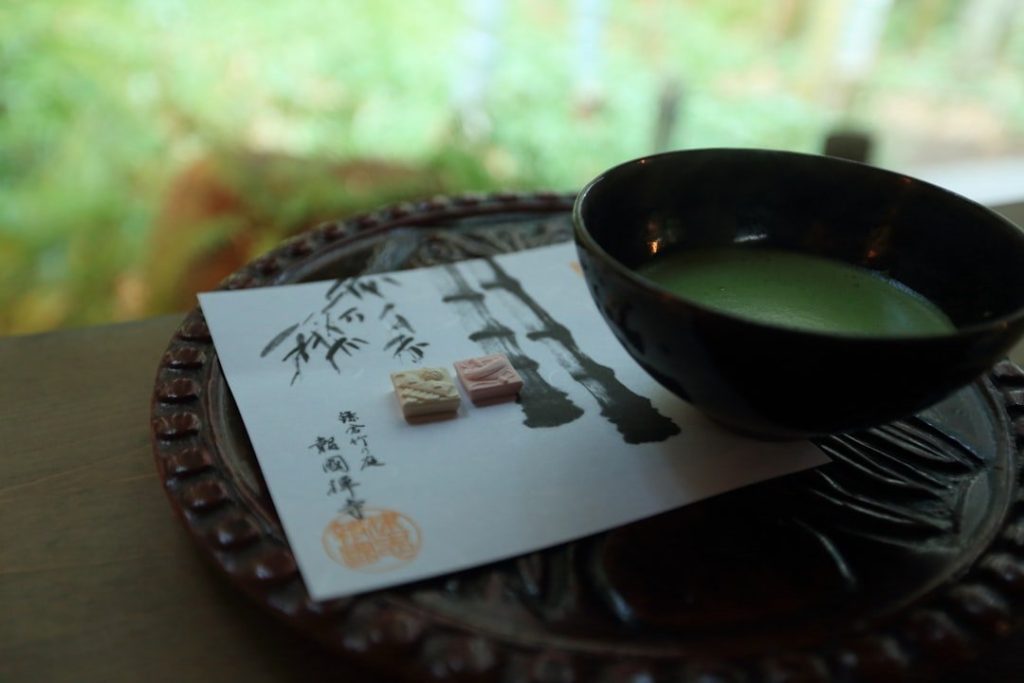
The practical outcome: athletes who incorporate matcha into their routine report reduced muscle soreness, faster recovery between training sessions, and fewer overuse injuries. This isn’t a replacement for proper sleep, nutrition, and active recovery protocols—but it’s a measurable addition to those fundamentals. For matcha athletes performance consistency, staying healthy and training hard without excessive inflammation is often the limiting factor.
What’s the Optimal Timing and Dosage for Athletic Performance?
Matcha’s effects aren’t instantaneous like a shot of espresso. The L-theanine and caffeine combination takes 30–45 minutes to peak, which means you should consume matcha 45–60 minutes before training or competition, not immediately before. This timing allows the neurochemical effects to stabilize by the time you need them.
For dosage, most research on matcha athletes performance benefits uses 1–2 grams of matcha powder per serving, which is roughly what you’d get in a standard ceremonial bowl (about 70–100 ml of prepared matcha). This delivers the full spectrum of compounds without excess caffeine that might cause jitteriness or sleep disruption. Elite athletes typically consume matcha 4–5 times per week rather than daily, which prevents tolerance buildup and maintains the cognitive and metabolic benefits.
Here’s a practical breakdown of how to use matcha strategically:
- Pre-training matcha: 60 minutes before intense sessions or competitions for focus and endurance enhancement
- Recovery matcha: Within 2 hours post-training to support antioxidant defense and reduce inflammation
- Off-day matcha: Light consumption on rest days maintains systemic antioxidant status without adding stimulation
- Competition day: Stick to your training protocol; don’t experiment with new supplements or timing on race day
How Does Matcha Compare to Other Pre-Workout Supplements?
The supplement market offers countless pre-workout options, from caffeine pills to elaborate multi-ingredient formulas. Where does matcha fit? Here’s an honest comparison:
| Factor | Matcha | Coffee | Synthetic Pre-Workout | Energy Drinks |
|---|---|---|---|---|
| Caffeine Content | 25–70 mg/serving | 95–200 mg/serving | 150–300 mg/serving | 80–300 mg/serving |
| L-Theanine (focus) | 25–30 mg/serving | None | Rare | None |
| Catechin Antioxidants | High (137 mg EGCG) | Moderate | None | None |
| Jitter/Crash Risk | Low | Moderate-High | High | Moderate-High |
| Recovery Support | Yes | Minimal | No | No |
| Cost per Serving | $0.50–$1.50 | $0.20–$0.50 | $1.00–$2.00 | $2.00–$4.00 |
Matcha occupies a unique space. It’s not the highest-caffeine option (coffee wins there), but it’s the only one combining performance-enhancing caffeine with L-theanine for smooth focus, plus genuine antioxidant recovery support. Synthetic pre-workouts might deliver more immediate strength gains through creatine or beta-alanine, but matcha athletes performance benefits extend beyond the gym—they support actual recovery and metabolic efficiency.
The trade-off is that matcha requires preparation time and develops an acquired taste. You can’t just pop a pill. But for athletes prioritizing sustainable performance and long-term health alongside short-term gains, matcha represents a more complete solution than single-mechanism supplements.
Are There Any Downsides or Contraindications for Athletes?
Matcha is remarkably safe, but a few considerations matter for athletes. First, the caffeine content, though moderate, can disrupt sleep if consumed within 6–8 hours of bedtime. Night-training athletes should consume matcha earlier in the day or skip it entirely on evening training days. Second, matcha contains small amounts of lead—a natural byproduct of how tea plants absorb minerals from soil. High-quality ceremonial-grade matcha has lower lead levels than culinary grades, so sourcing matters. Third, some athletes report mild stomach upset if they consume matcha on an empty stomach; pairing it with a light carbohydrate or protein minimizes this.
For athletes with caffeine sensitivity, hypertension, or anxiety disorders, the stimulant content (even at matcha’s moderate levels) might warrant caution or medical consultation. But for the vast majority of healthy athletes, matcha presents zero contraindications and genuine performance benefits.
The broader reality is that matcha athletes performance gains are subtle but consistent. You won’t feel superhuman after one serving, but over weeks of consistent use, you’ll notice sharper mental clarity during training, faster recovery between sessions, and improved endurance capacity. That’s why elite athletes—who obsess over 1–2% improvements—have quietly adopted matcha. It’s not flashy, but it works.