
“`html
5 Green Tea Varieties That Boost Mental Focus During Work Hours
There’s something almost magical about the moment a cup of warm tea touches your lips during a midday slump. Your shoulders drop. Your mind clears. Suddenly, that spreadsheet or creative project doesn’t feel quite so overwhelming. If you’ve experienced this, you’re not imagining it — green tea mental focus varieties have genuine neurochemical effects on your brain. But here’s what most people don’t realize: not all green teas are created equal when it comes to sharpening mental focus.
The difference between sipping a generic green tea bag and choosing a specific variety can mean the difference between a subtle energy boost and a genuinely transformative shift in your concentration. Some green tea mental focus varieties contain higher levels of L-theanine, an amino acid that works synergistically with caffeine to produce calm, sustained alertness. Others deliver more antioxidants that protect your brain cells from fatigue-inducing oxidative stress. Understanding which varieties deliver what you actually need is the game-changer most productivity enthusiasts miss.
Why Does Green Tea Actually Sharpen Your Focus?
Before diving into specific varieties, let’s understand what’s actually happening in your brain when you drink green tea mental focus varieties. Green tea contains two primary compounds that work together: caffeine and L-theanine. The caffeine provides immediate alertness, while L-theanine creates a state of calm focus without the jittery feeling you get from coffee. Research from [Harvard T.H. Chan School of Public Health](https://www.hsph.harvard.edu) has shown that this combination produces alpha brain waves — the frequency associated with relaxed alertness and creative thinking.
Unlike coffee, which floods your system with caffeine all at once, green tea releases its cognitive benefits gradually. Your focus improves without the crash. This sustained mental clarity is why professionals who work through long, demanding days often prefer green tea mental focus varieties over other caffeinated beverages. The polyphenols in green tea also cross the blood-brain barrier, where they reduce inflammation and protect neurons from age-related decline.
What Are the Best Green Tea Varieties for Mental Clarity?
Not all green teas offer the same cognitive benefits. The variety matters significantly. Some green tea mental focus varieties are specifically cultivated in regions and seasons that maximize L-theanine content. Others are shade-grown, which increases chlorophyll and antioxidant density. Here are five varieties that genuinely deliver on the focus front:
1. Matcha: The Concentration Powerhouse
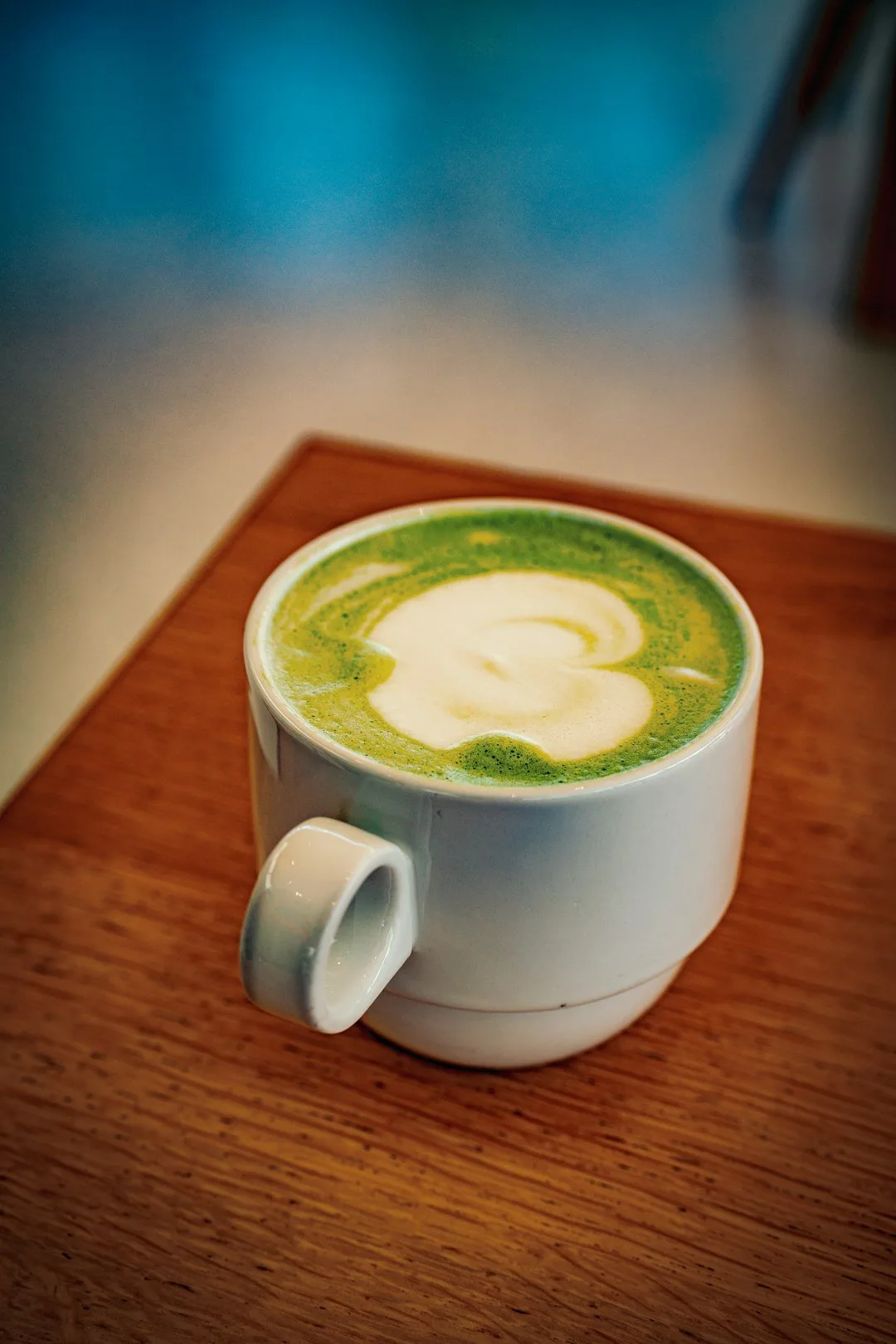
Matcha is the most potent green tea mental focus option available. This Japanese powdered tea contains the entire leaf, meaning you consume all its nutrients — not just what steeps in water. A single serving of matcha delivers 25–70 mg of caffeine plus 100–200 mg of L-theanine, creating an exceptionally balanced cognitive state. Studies from [PubMed](https://pubmed.ncbi.nlm.nih.gov) show that matcha drinkers experience improved attention span and faster reaction times compared to caffeine alone.
What makes matcha exceptional is its ceremonial-grade varieties. Shade-grown for 20–30 days before harvest, ceremonial matcha develops deeper umami flavors and higher amino acid concentrations. If you’re buying matcha specifically for mental focus, look for Japanese origin labels and vibrant green color — dull matcha has oxidized and lost potency. Whisk it with hot (not boiling) water, and you’ll notice the effects within 15–20 minutes.
2. Gyokuro: The Shade-Grown Secret
Gyokuro is Japan’s most prized green tea, and it’s specifically shade-grown to maximize L-theanine production. When tea plants are shaded from direct sunlight, they produce more amino acids as a survival mechanism. This makes gyokuro one of the richest green tea mental focus varieties for pure cognitive enhancement. The shade-growing process also reduces caffeine slightly while boosting umami compounds that create a smooth, almost sweet flavor.
Gyokuro is more expensive than standard green teas, but the cognitive payoff justifies the cost for serious focus-seekers. A single cup delivers sustained mental clarity for 4–6 hours. The tea has a delicate, grassy-sweet character that actually tastes better than cheaper alternatives, making it a pleasure to drink rather than a chore. Brew it at 50–60°C (122–140°F) to preserve its delicate compounds.
3. Sencha: The Balanced Workhorse
Sencha is the everyday green tea of Japan, and it deserves more credit as a green tea mental focus tool. Unlike gyokuro, sencha grows in full sunlight, which produces a different but equally valuable compound profile. You get solid L-theanine content (around 25–50 mg per cup) paired with 30–50 mg of caffeine — enough to sharpen focus without overstimulation.
What makes sencha practical for work hours is its reliability and accessibility. It’s less expensive than gyokuro or matcha, widely available, and tastes bright and vegetal. Many professionals brew a cup mid-morning and another mid-afternoon, using sencha as their consistent green tea mental focus routine. The flavor is clean enough that you won’t tire of it after multiple daily cups.
4. Dragon Well (Longjing): The Smooth Performer
Dragon Well is China’s most celebrated green tea, and it’s particularly effective for sustained mental focus during complex work. Harvested in the spring from the West Lake region of Hangzhou, this tea develops a distinctive chestnut-like aroma and sweet, nutty flavor. Dragon Well contains robust levels of L-theanine — comparable to Japanese varieties — but with a slightly different polyphenol profile that some people find more calming.
The cognitive advantage of Dragon Well for green tea mental focus varieties lies in its gentle stimulation curve. You won’t experience a sudden caffeine spike; instead, your mental clarity builds gradually over 20–30 minutes and sustains for hours. This makes it ideal for creative work, writing, or problem-solving that requires deep thinking rather than quick reflexes. Brew it at 70–80°C (158–176°F) to avoid bitterness.
5. Genmaicha: The Grounding Option
Genmaicha blends sencha or gyokuro with roasted rice, creating a unique green tea mental focus variety with lower caffeine but higher satiety. This matters more than you’d think. When you drink genmaicha, you feel more grounded and less prone to jitters — even though you’re getting less caffeine than pure green tea. The roasted rice adds a toasty, almost popcorn-like flavor that many people find more comforting during stressful work periods.
Genmaicha is particularly useful if you’re caffeine-sensitive or if you need to drink tea throughout your entire workday. The combination of green tea’s L-theanine with the carbohydrates from rice creates a more stable energy state. You won’t crash as hard as you would with pure caffeine, making it an excellent choice for afternoon cups when you need focus without disrupting evening sleep.
How to Choose the Right Variety for Your Work Style
Selecting the best green tea mental focus varieties depends on your specific work demands and caffeine tolerance. Here’s a practical comparison to help you decide:
| Variety | Caffeine Content | L-Theanine Level | Best For | Price Point |
|---|---|---|---|---|
| Matcha | 25–70 mg | 100–200 mg | Maximum focus, creative work | $$$$ |
| Gyokuro | 20–40 mg | 90–150 mg | Sustained calm focus | $$$$ |
| Sencha | 30–50 mg | 25–50 mg | Daily reliable focus | $$ |
| Dragon Well | 25–45 mg | 40–70 mg | Deep thinking, problem-solving | $$$ |
| Genmaicha | 15–30 mg | 20–40 mg | Gentle sustained focus | $$ |
Practical Tips for Maximum Mental Focus Benefits
Simply buying the right green tea mental focus varieties isn’t enough. How you brew and consume it matters just as much as what you’re drinking. Here are actionable strategies that actually work:
- Brew at the right temperature. Too-hot water destroys L-theanine and creates bitter, astringent flavors. Most green teas need 70–80°C (158–176°F) water. Use a thermometer if you’re serious about this.
- Steep for 2–3 minutes. This is the sweet spot for extracting L-theanine and caffeine without over-extracting tannins that cause bitterness and stomach upset.
- Drink it 15–30 minutes before focused work. This timing window allows the caffeine and L-theanine to reach your bloodstream and brain just as you’re settling into deep work.
- Limit yourself to 2–3 cups daily. More than this, and you risk caffeine dependence or disrupted sleep. The cognitive benefits plateau anyway — you don’t get exponentially better focus from four cups versus two.
- Pair it with a light snack. L-theanine absorption improves slightly when consumed with a small amount of carbohydrate. A handful of almonds or a piece of fruit enhances the focus effect.
One more thing worth mentioning: the ritual of making tea itself provides cognitive benefits. The act of pausing work, heating water, and preparing a cup creates a mental transition that primes your brain for focused work. This is why rushed tea drinkers don’t experience the same focus boost as those who take a moment with the process.
The science backs this up. Research from [NIH’s Office of Dietary Supplements](https://ods.od.nih.gov) shows that L-theanine works best when consumed in a calm, intentional manner rather than as a rushed supplement. Your mindset while drinking the tea actually influences its effectiveness.
Why These Varieties Outperform Coffee for Sustained Focus
Coffee drinkers often ask why they should switch to green tea mental focus varieties when they’re already getting caffeine. The honest answer is that you don’t have to switch entirely — but you might benefit from understanding the difference. Coffee delivers roughly 95–200 mg of caffeine per cup with minimal L-theanine. This creates sharp, intense alertness that peaks quickly and crashes just as fast. “`html 5 Green Tea Varieties That
Green tea’s lower caffeine combined with L-theanine creates what neuroscientists call “alert relaxation.” Your mind is sharp and focused, but your body remains calm. You won’t experience the afternoon jitters, the 3 PM energy crash, or