
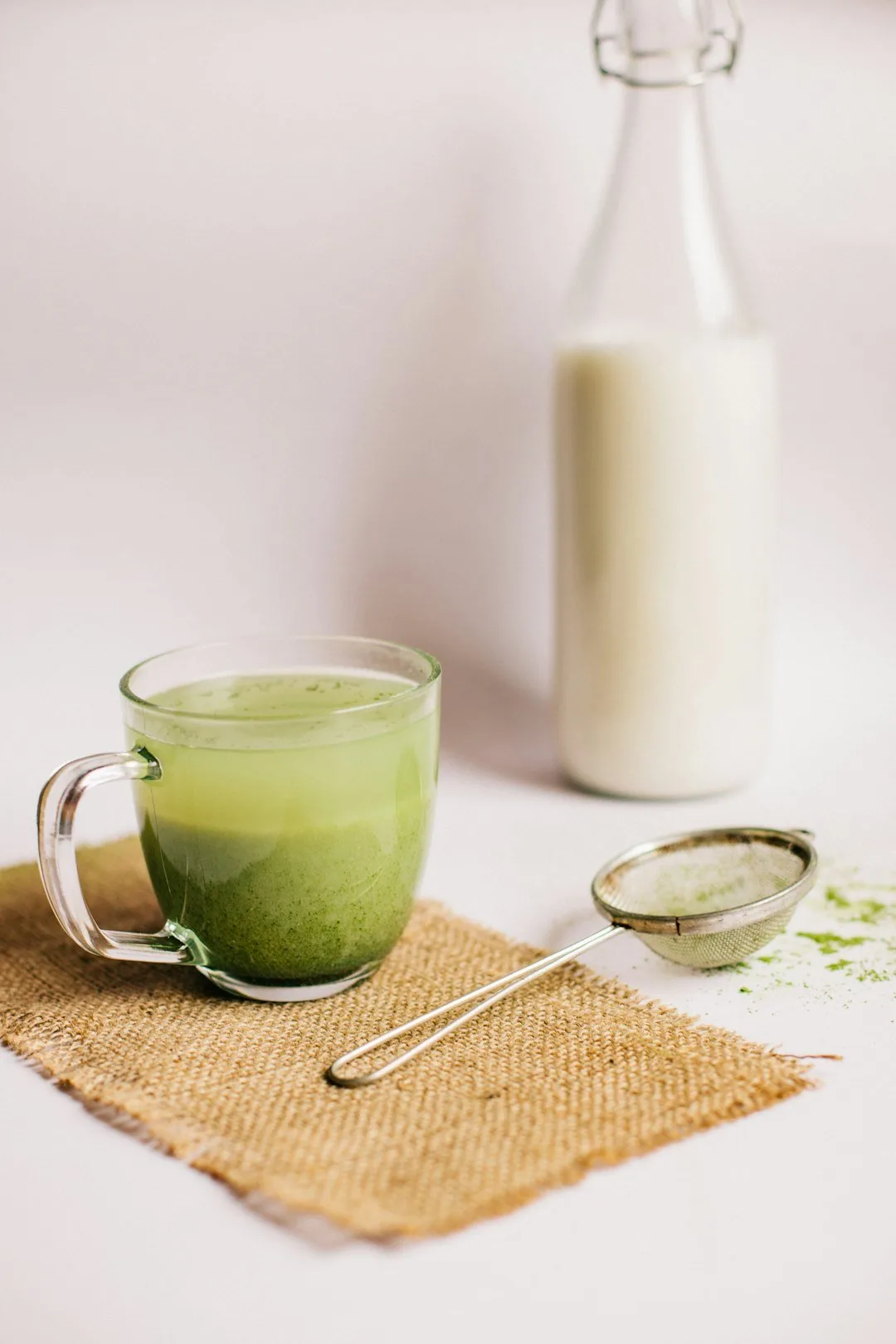
Quick Takeaway
Matcha contains caffeine and L-theanine that may temporarily reduce appetite, but scientific evidence for strong appetite suppression is weak. The real benefits come from increased fat burning, fluid volume, and the mindful ritual of preparation. Use matcha as a tool alongside good nutrition, not as a weight-loss solution.
You’ve probably seen matcha lattes everywhere—in trendy cafés, on Instagram, and maybe even in your coworker’s hands at 3 p.m. People swear by it for energy, focus, and supposedly, appetite control. But here’s the thing: matcha appetite suppressant science isn’t as straightforward as the marketing makes it sound. So does matcha actually suppress your appetite, or is that just another wellness myth? The answer lies somewhere between hype and legitimate biochemistry, and understanding matcha appetite suppressant science requires looking at what’s actually happening in your body when you drink it.
What Actually Happens When You Drink Matcha?
Matcha appetite suppressant science starts with understanding matcha’s unique composition. Unlike regular green tea, matcha is a powdered whole leaf. You’re consuming the entire leaf, not just steeped water, which means you get higher concentrations of bioactive compounds. The key players here are caffeine, L-theanine, catechins (especially EGCG), and chlorophyll. When you drink matcha, these compounds don’t just sit in your stomach—they enter your bloodstream and interact with your nervous system, digestive hormones, and metabolic pathways in measurable ways.
The caffeine content in matcha is moderate but meaningful. A typical serving contains about 25–70 mg of caffeine, compared to 95–200 mg in a cup of coffee. This isn’t a jolt—it’s more of a sustained lift. But caffeine alone doesn’t explain appetite suppression.
How Does Caffeine Influence Hunger Signals?
Caffeine is a central nervous system stimulant that increases alertness and can temporarily reduce appetite. Research shows that caffeine activates the sympathetic nervous system, which can suppress hunger hormones like ghrelin. However, this effect is usually short-lived—typically 2–4 hours—and doesn’t persist throughout the day. The appetite suppression from caffeine is real but modest, and it varies significantly between individuals based on tolerance and sensitivity.
What makes matcha appetite suppressant science different from just drinking coffee is the presence of L-theanine, an amino acid that moderates caffeine’s intensity and creates a different neurochemical profile in your brain.
What Role Does L-Theanine Play in Appetite Control?
L-theanine is a unique amino acid found almost exclusively in tea. It crosses the blood-brain barrier and increases alpha wave activity in your brain—the same frequency associated with calm focus. L-theanine doesn’t reduce caffeine’s stimulant effects; instead, it smooths them out. You get alertness without jitteriness. But does it suppress appetite? That’s where matcha appetite suppressant science gets interesting. L-theanine promotes the release of GABA, a neurotransmitter that has calming properties. Some research suggests that GABA may influence appetite regulation, but direct evidence linking L-theanine to appetite suppression in humans is limited. Most studies on this are preliminary or conducted in animal models.
Does the Research Actually Support Matcha as an Appetite Suppressant?
Here’s where I need to be honest: the direct scientific evidence that matcha suppresses appetite in humans is surprisingly thin. Most of what we know comes from studies on green tea extract or individual compounds like EGCG, not matcha specifically. This is an important distinction because whole food compounds behave differently than isolated extracts.
A [2020 review published in Nutrients](https://pubmed.ncbi.nlm.nih.gov/) examining green tea and weight management found that green tea polyphenols, particularly catechins, may have modest effects on body weight and fat oxidation. However, the effects were small—typically 1–3 kg weight loss over 12 weeks—and the appetite suppression wasn’t the primary mechanism. Instead, the benefit seemed to come from increased fat burning and thermogenesis (heat production), not reduced hunger.
The catechins in matcha, especially EGCG, do increase fat oxidation and energy expenditure. But this is different from appetite suppression. You might burn slightly more calories, but you’re not necessarily feeling less hungry. That’s a crucial distinction that often gets blurred in marketing.
What Does the Evidence Show About Catechins and Metabolism?
Catechins, the polyphenol compounds abundant in matcha, have been studied extensively. [Research from Harvard T.H. Chan School of Public Health](https://hsph.harvard.edu/) shows that catechins can modestly increase fat oxidation, particularly during exercise. EGCG, the most abundant catechin in green tea, appears to inhibit an enzyme that normally breaks down norepinephrine, allowing this fat-burning hormone to stay active longer. This is real, measurable physiology—but again, it’s thermogenesis, not appetite suppression. You’re not eating less because you’re full; you’re just burning slightly more of what you do eat.
Why Do People Feel Less Hungry After Matcha?
If the science doesn’t strongly support appetite suppression, why do so many people report feeling less hungry after matcha? There are several practical reasons that have nothing to do with matcha’s bioactive compounds.
- Liquid volume: Matcha is typically consumed as a warm beverage. Drinking fluids, especially warm ones, can create a sense of fullness in your stomach. This is mechanical, not chemical.
- Ritual and mindfulness: The traditional preparation of matcha—whisking, waiting, sipping slowly—creates a deliberate eating experience. This mindfulness can naturally lead to eating less, regardless of what’s in the cup.
- caffeine sensitivity: If you’re not a heavy caffeine user, matcha’s moderate caffeine content can genuinely suppress appetite for a few hours. This is real, but temporary.
- Blood sugar stability: Matcha contains compounds that may slow glucose absorption. If you drink it without added sugar or with protein, you might avoid blood sugar crashes that trigger hunger later.
- Placebo effect: This isn’t dismissive—the placebo effect is powerful. If you believe matcha will suppress your appetite, your brain may genuinely interpret hunger signals differently.
How Should You Actually Use Matcha if Weight Management Is Your Goal?
If you’re interested in matcha appetite suppressant science for practical reasons—maybe you’re trying to manage your weight or avoid overeating—here’s what actually works based on the evidence.
- Drink it before meals, not instead of them. Matcha won’t replace a meal, but the combination of caffeine, fluid volume, and L-theanine’s calming effect might help you feel satisfied with smaller portions.
- Prepare it without added sugar or cream. A traditional matcha whisked with hot water is roughly 3 calories. Adding sweeteners or milk turns it into a snack that might increase, not decrease, overall calorie intake.
- Use it as part of a routine, not a solution. The appetite-suppressing effect, if present, is modest and temporary. Matcha works best as one small tool in a broader approach to nutrition and activity.
- Pair it with protein or healthy fat. If you drink matcha with breakfast that includes protein, you’ll likely feel fuller longer—but that’s the protein working, not the matcha.
- Be consistent about timing. If matcha does suppress your appetite slightly, that effect is most noticeable when consumed regularly and at the same time each day. Your body adapts to patterns.
The bottom line on matcha appetite suppressant science is this: matcha contains compounds that can modestly increase fat burning and temporarily reduce appetite through caffeine. But it’s not a powerful appetite suppressant like some weight-loss drugs, and it won’t dramatically change your hunger patterns. What matcha does offer is a ritual, a source of antioxidants, and a gentle cognitive boost. If those things help you make better food choices or stick to a routine, then matcha has real value—just not for the reasons the marketing suggests.