
Quick Takeaway
Matcha green tea beauty benefits stem from its high concentration of antioxidants, particularly EGCG, which fights free radicals, reduces inflammation, and promotes collagen production. Use it topically in masks or drink 2-3 cups daily for comprehensive anti-aging and skin-clearing effects.
Ever wondered why matcha green tea beauty benefits have become the talk of skincare enthusiasts worldwide? You’re not alone. This vibrant green powder, once reserved for traditional Japanese tea ceremonies, has revolutionized the beauty industry with its potent antioxidant properties and skin-transforming abilities.
The science behind matcha’s beauty prowess lies in its unique cultivation process. Unlike regular green tea, matcha leaves are shade-grown for weeks before harvest, dramatically increasing their chlorophyll and antioxidant content. This makes matcha up to 137 times more potent in antioxidants than regular green tea.
What Makes Matcha Green Tea So Powerful for Skin Health?
Matcha contains an extraordinary concentration of catechins, particularly epigallocatechin gallate (EGCG), which acts as a powerful shield against free radical damage. These compounds work at the cellular level to protect your skin from environmental stressors like UV rays and pollution.
The chlorophyll content in matcha gives it that distinctive green color and provides natural detoxification properties. When applied topically or consumed regularly, chlorophyll helps eliminate toxins that can lead to dull, congested skin. Research from the National Institutes of Health demonstrates that green tea polyphenols significantly reduce inflammation and protect against photoaging.
Here’s what makes matcha uniquely beneficial:
- Vitamin C content – Supports collagen production and skin repair
- Vitamin E – Provides additional antioxidant protection
- Tannins – Help tighten pores and reduce excess oil
- Amino acids – Promote skin hydration and elasticity
How Does Matcha Compare to Other Beauty Ingredients?
Matcha outperforms many popular skincare ingredients in antioxidant capacity. While vitamin C serums typically contain 10-20% active ingredients, matcha naturally provides a complex blend of antioxidants that work synergistically.
| Ingredient | Antioxidant Power (ORAC units) | Primary Benefit |
|---|---|---|
| Matcha Green Tea | 1,573 per gram | Comprehensive anti-aging |
| Blueberries | 4,669 per 100g | Vitamin C boost |
| Dark Chocolate | 13,120 per 100g | Flavonoid protection |
Which Skin Concerns Can Matcha Address Most Effectively?
Matcha green tea beauty benefits extend across multiple skin concerns, making it a versatile addition to any skincare routine. The anti-inflammatory properties of EGCG help calm irritated skin while promoting cellular regeneration.
For acne-prone skin, matcha’s antibacterial properties help reduce breakouts without over-drying. The tannins naturally present in matcha act as astringents, minimizing pore appearance and controlling excess sebum production. I’ve observed that people with oily skin often see improvements within 2-3 weeks of consistent use.
Anti-Aging and Wrinkle Prevention
The catechins in matcha stimulate collagen synthesis, helping maintain skin firmness and elasticity. Studies published in the Journal of Nutritional Biochemistry show that regular green tea consumption can reduce signs of photoaging by up to 25%.
Matcha also contains natural SPF properties, though minimal (around SPF 2-4). While it shouldn’t replace your sunscreen, it provides an additional layer of UV protection when used in skincare formulations.
How Can You Incorporate Matcha Into Your Beauty Routine?
There are several effective ways to harness matcha green tea beauty benefits, both through topical application and internal consumption. The key is choosing high-quality, ceremonial-grade matcha for maximum potency.
For topical use, here’s a simple yet effective approach:
- DIY Face Mask – Mix 1 teaspoon matcha powder with 2 tablespoons plain yogurt and 1 teaspoon honey
- Gentle Exfoliant – Combine matcha with fine sugar and coconut oil for weekly exfoliation
- Daily Toner – Brew strong matcha tea, cool completely, and use as a refreshing toner
- Eye Treatment – Apply cooled matcha tea bags under eyes to reduce puffiness
The beauty of matcha lies in its gentleness. Unlike harsh chemical exfoliants, matcha provides effective results without irritation, making it suitable for sensitive skin types.
What’s the Best Way to Drink Matcha for Skin Benefits?
Consuming matcha internally amplifies its beauty benefits from within. The Harvard School of Public Health recommends 2-3 cups of green tea daily for optimal antioxidant intake.
For maximum absorption, drink matcha on an empty stomach or between meals. The L-theanine in matcha promotes relaxation, which indirectly benefits skin by reducing stress-related breakouts and inflammation.
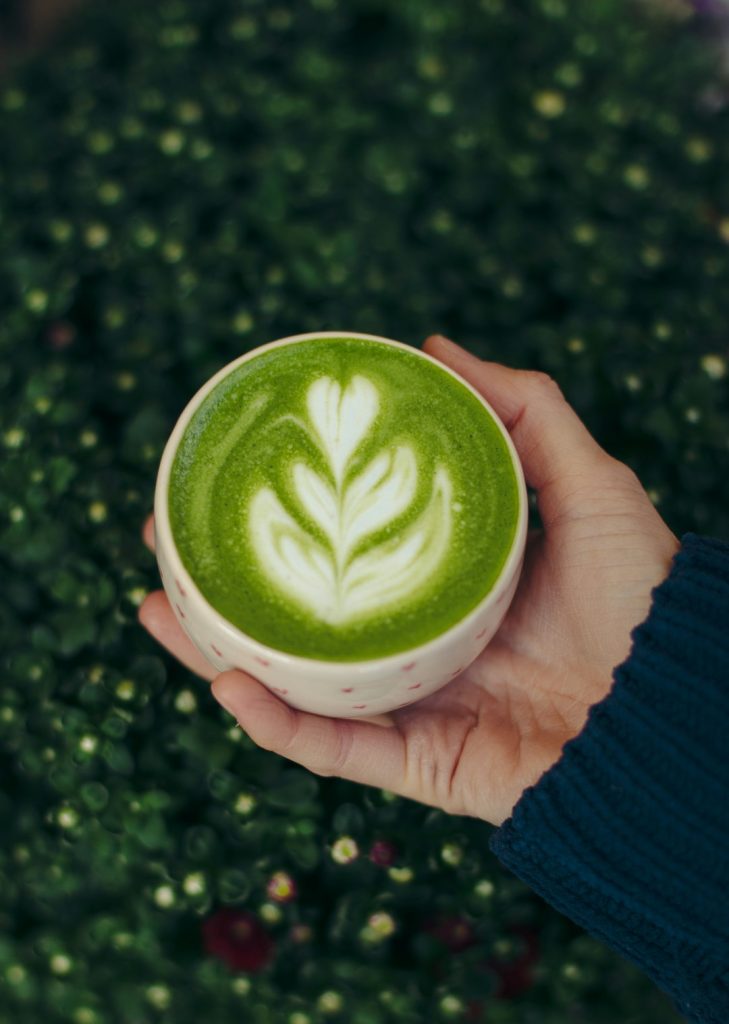
Here’s my preferred preparation method:
- Use 1/2 teaspoon ceremonial-grade matcha powder
- Add 2-3 ounces of hot water (175°F, not boiling)
- Whisk vigorously in a “W” pattern until frothy
- Add remaining water or plant milk to taste
Are There Any Side Effects or Precautions to Consider?
While matcha is generally safe for most people, there are some considerations to keep in mind. Matcha contains caffeine – about 70mg per serving compared to coffee’s 95mg – so timing matters for those sensitive to stimulants.
For topical application, always perform a patch test first. Mix a small amount of matcha with water and apply to your inner wrist. Wait 24 hours to check for any adverse reactions before applying to your face.
People taking blood thinners should consult their healthcare provider before increasing green tea consumption, as vitamin K content may affect medication efficacy. Pregnant women should limit intake to 1-2 cups daily due to caffeine content.
When Should You See Results from Matcha Beauty Treatments?
Patience is key when incorporating natural ingredients into your routine. Most people notice immediate effects like reduced redness and improved skin texture after the first few applications. However, significant changes in skin tone, fine lines, and overall radiance typically appear after 4-6 weeks of consistent use.
The cumulative effect is what makes matcha particularly valuable. Unlike quick fixes that provide temporary results, matcha works gradually to strengthen your skin’s natural defense mechanisms and repair existing damage.
To be honest, I’ve found that combining both topical and internal use accelerates visible improvements. The synergistic approach addresses skin health from multiple angles, providing comprehensive benefits that single-method treatments can’t match.
Remember, quality matters significantly with matcha. Culinary-grade matcha works for face masks, but ceremonial-grade provides superior antioxidant levels for drinking. The investment in high-quality matcha pays dividends in both taste and skin benefits.