

“`html
How to Create a Complete Matcha Skincare Routine for Glowing Skin
If you’ve scrolled through skincare content lately, you’ve probably noticed matcha popping up everywhere—from face masks to serums to morning beverages. But here's what most people don't realize: matcha skincare routine steps aren’t just trendy marketing. There’s actual science behind why this vibrant green powder has become a powerhouse ingredient in skincare. The antioxidants, amino acids, and chlorophyll in matcha work together to address multiple skin concerns at once. Whether you’re dealing with inflammation, dullness, or uneven texture, understanding how to properly incorporate matcha into your daily regimen can genuinely transform your complexion.
The tricky part? Most people don’t know where to start or how to layer these products effectively. That’s exactly why I’m breaking down matcha skincare routine steps in a way that actually makes sense—no fluff, no overcomplicated rituals, just a straightforward approach that fits into a realistic daily routine.
What Makes Matcha Such a Powerful Skincare Ingredient?
Matcha contains three times more antioxidants than regular green tea, making it exceptionally effective at protecting skin from environmental damage and free radicals. The magic lies in catechins—a type of polyphenol that fights oxidative stress. When your skin is exposed to pollution, UV rays, or stress, free radicals damage collagen and elastin. Matcha’s catechins neutralize these free radicals before they can cause visible aging.
Beyond antioxidants, matcha also contains L-theanine, an amino acid that promotes relaxation and reduces cortisol levels. Since stress directly triggers inflammation and breakouts, this calming effect isn’t just psychological—it’s biochemical. Research on green tea polyphenols consistently shows that topical application reduces sebum production and bacterial growth, which is why matcha works particularly well for acne-prone skin.
The chlorophyll in matcha also acts as a natural detoxifier. It binds to impurities in your pores and helps your skin shed dead cells more efficiently. You might find this strange, but matcha’s slightly astringent quality actually tightens pores without over-drying—something most people struggle to achieve with conventional toners.
How Should You Prepare Your Skin Before Applying Matcha Products?
Preparation is everything when building effective matcha skincare routine steps. Your skin needs to be clean and slightly damp to maximize absorption of matcha’s beneficial compounds. Start by removing makeup and surface impurities with a gentle cleanser suited to your skin type. If you have oily or acne-prone skin, a gel or foam cleanser works best. For dry or sensitive skin, stick with a creamy cleanser that won’t strip your natural oils.
After cleansing, pat your skin with a soft towel—don’t rub aggressively. Your skin should feel clean but not tight or uncomfortable. If it feels tight, your cleanser is too harsh. Then, apply a hydrating toner or essence while your skin is still slightly damp. This step is crucial because it creates a hydrated base that allows matcha products to penetrate more effectively. Think of it like preparing soil before planting seeds; the foundation determines everything that comes after.
Wait about 30 seconds after toning before moving to the next step. This brief pause lets the toner fully absorb and prepares your skin’s pH for the matcha products you’re about to apply.
What Are the Essential Steps in a Matcha Skincare Routine?
A complete matcha skincare routine typically involves five core steps: cleansing, toning, treatment (matcha serum or essence), moisturizing, and sun protection during the day. The order matters because each product builds on the previous one, creating a synergistic effect that amplifies results.
Here’s the step-by-step breakdown:
- Cleanse: Use a gentle cleanser morning and night to remove dirt, oil, and makeup. This creates a clean canvas for all subsequent products.
- Tone: Apply a hydrating toner to balance pH and prep your skin for better absorption of active ingredients.
- Apply Matcha Treatment: This is where the magic happens. Use a matcha serum, essence, or concentrated treatment product. Apply a pea-sized amount to your face and neck, gently patting it in rather than rubbing.
- Moisturize: Lock in hydration with a moisturizer appropriate for your skin type. This prevents the matcha treatment from drying out your skin.
- Protect (Daytime Only): Always finish your morning routine with broad-spectrum SPF 30 or higher. Matcha enhances sun protection, but sunscreen is still non-negotiable.
For nighttime, you can skip the sunscreen but consider adding a richer night cream or sleeping mask to boost overnight repair. Some people also incorporate a matcha face mask 2-3 times weekly for an intensive treatment boost.
Which Matcha Products Should You Choose for Your Skin Type?
The best matcha product for your skin depends on whether you have oily, dry, combination, or sensitive skin. Not all matcha formulations work equally well for everyone, and choosing the wrong texture can actually compromise your results.
| Skin Type | Best Matcha Product Format | Why It Works |
|---|---|---|
| Oily/Acne-Prone | Matcha serum or gel essence | Lightweight, non-comedogenic, controls sebum without heaviness |
| Dry/Sensitive | Matcha cream or oil-infused serum | Provides hydration and barrier support alongside antioxidant benefits |
| Combination | Matcha essence or lightweight serum | Balances oily T-zone while hydrating dry areas effectively |
| Normal | Any matcha format | Can experiment with serums, creams, or essences based on preference |
When selecting a matcha product, check the ingredient list carefully. The matcha should be listed in the first five ingredients, not buried at the bottom. Also, look for products that combine matcha with complementary ingredients like hyaluronic acid for hydration or niacinamide for pore refinement.
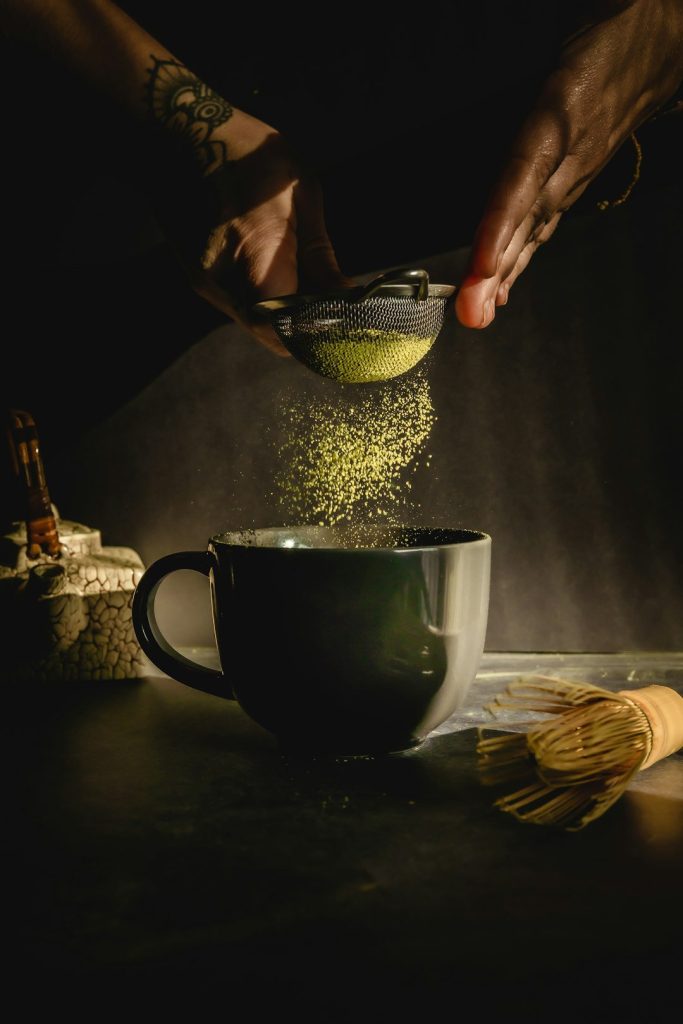
To be honest, I’ve seen people waste money on expensive matcha skincare that contains minimal actual matcha. A good matcha serum should have visible color—a vibrant green hue indicates higher matcha concentration. If it’s pale or yellowish, the matcha content is likely minimal.
How Often Should You Use Matcha Products in Your Routine?
For most people, using matcha skincare routine steps twice daily—morning and night—provides optimal results without overwhelming your skin. However, frequency depends on your skin’s sensitivity and the concentration of the matcha product you’re using.
If you’re new to matcha skincare, start with once daily in the evening. This allows your skin to adjust to the active ingredients without risk of irritation. After one week, if your skin feels comfortable and shows no redness or sensitivity, move to twice daily use. This gradual introduction is especially important if you have sensitive or reactive skin.
For intensive treatments like matcha face masks, 2-3 times per week is ideal. Using masks more frequently can over-exfoliate or over-stimulate your skin. Weekly masks are perfect for maintenance, while bi-weekly or monthly intensive treatments are great for addressing specific concerns like dullness or congestion.
During winter or if your skin feels irritated, you can dial back to once daily and reduce mask frequency. Listen to your skin—it will tell you when it’s had enough.
What Results Can You Realistically Expect from Matcha Skincare?
Most people notice visible improvements in skin brightness and texture within 4-6 weeks of consistent matcha skincare routine steps, though some see benefits in as little as two weeks. The timeline depends on your starting point and skin condition.
Here’s what you can typically expect:
- Week 1-2: Skin feels smoother and more hydrated. Pores appear slightly refined. Complexion looks brighter immediately after application.
- Week 3-4: Inflammation reduces noticeably. Acne breakouts become less frequent and severe. Skin tone becomes more even.
- Week 5-6: Fine lines appear softer. Skin texture improves significantly. Overall radiance increases as collagen production benefits from consistent antioxidant protection.
- Week 8+: Long-term benefits emerge. Skin barrier strengthens. Age spots and hyperpigmentation gradually fade. Results become more dramatic and sustained.
The key word here is “consistent.” Matcha skincare works cumulatively. If you use it sporadically, you won’t see meaningful results. Think of it like exercise—one workout doesn’t transform your body, but consistent training over weeks definitely does.
Harvard research on polyphenols and skin health shows that antioxidant benefits require sustained topical application. You’re not just treating your skin in the moment; you’re building long-term protection and repair capacity.
Can You Combine Matcha with Other Skincare Ingredients?
Matcha plays well with most skincare ingredients, but certain combinations enhance results while others create unnecessary redundancy or potential irritation. Understanding these interactions helps you build a truly effective routine rather than just layering random products.
Matcha pairs exceptionally well with:
- Hyaluronic acid: Amplifies hydration. Matcha’s antioxidants protect while hyaluronic acid draws moisture into skin.
- Niacinamide: Strengthens skin barrier. Together they reduce inflammation and refine pores.
- Vitamin C: Boosts brightening effects. Both are antioxidants that work synergistically against free radicals.
- Peptides: Support collagen production. Matcha protects the collagen while peptides stimulate new formation.
Avoid combining matcha with:
- Retinol (in the same step): Both are powerful actives. Using them simultaneously can over-stimulate sensitive skin. Use retinol at night, matcha in the morning, or alternate nights.
- Acids (AHAs/BHAs in high concentrations): Matcha is gentle, but combining it with strong exfoliants can compromise your barrier. If using acids, use them 2-3 times weekly and matcha on off-days.
- Multiple vitamin C products: Redundant and potentially irritating. Choose one vitamin C product and stick with it.
Here’s the tricky part: just because ingredients *can* work together doesn’t mean you need to use them all. Simpler routines often outperform complicated ones because your skin isn’t overwhelmed. Focus on 4-5 core products rather than 10.