
“`html
7 Best Matcha Brands for Serious Athletes and Dieters
If you’re serious about fitness, you’ve probably noticed matcha showing up everywhere—in smoothies, lattes, and pre-workout drinks. But here’s the thing: not all matcha is created equal. When you’re training hard and watching what you eat, the best matcha brands fitness enthusiasts rely on can make a real difference in your energy levels, recovery, and overall performance. The quality of your matcha matters just as much as the consistency of your training routine.
I’ve spent years working with athletes and fitness-focused clients, and the conversation about matcha always comes down to one question: which brands actually deliver what they promise? Some matcha powders taste like grass clippings mixed with regret. Others are genuinely smooth, nutrient-dense, and designed with performance in mind. The difference usually comes down to sourcing, processing, and whether the brand actually understands what active people need.
In this guide, we’re breaking down the best matcha brands fitness professionals and serious athletes choose—the ones backed by real nutritional profiles and honest quality. You’ll learn what separates premium matcha from the stuff that’s just riding the wellness trend, plus how to pick the right brand for your specific goals.
What Makes High-Quality Matcha Different From Regular Green Tea?
Matcha isn’t just finely ground green tea—it’s a completely different beast. When you drink regular green tea, you steep the leaves and discard them. With matcha, you’re consuming the entire leaf, which means you’re getting the full spectrum of nutrients the plant has to offer. This is why matcha packs roughly three times the antioxidants of standard green tea and delivers more sustained energy without the crash.
The best matcha brands fitness enthusiasts choose come from specific regions in Japan where the growing conditions are ideal. The shade-growing process—where tea plants are covered for weeks before harvest—increases chlorophyll and L-theanine production. L-theanine is that magical amino acid that gives you calm focus instead of jittery caffeine overload. For athletes, this matters enormously. You want alertness without the nervous energy that tanks your performance.
Grade also makes a huge difference. Ceremonial-grade matcha comes from the first harvest and has a vibrant green color and smooth taste. Culinary-grade matcha is more affordable but often has a slightly bitter edge and comes from later harvests. Neither is “bad”—it depends on your budget and how you’ll use it. For serious fitness folks, ceremonial grade tends to deliver better taste and a cleaner nutrient profile, which is why premium best matcha brands fitness options typically focus on this grade.
Why Do Athletes and Fitness Enthusiasts Choose Matcha?
Matcha isn’t trendy by accident. There are legitimate physiological reasons why serious athletes incorporate it into their routines. First, there’s the energy component. Matcha contains about 70 milligrams of caffeine per serving—roughly a third of what you’d get in coffee. But here’s the crucial part: that caffeine comes with L-theanine, which creates a smoother, more sustained energy curve. You’re not spiking and crashing. Instead, you get a focused, calm alertness that lasts 4–6 hours.
Then there’s the antioxidant angle. [Research from Harvard T.H. Chan School of Public Health](https://hsph.harvard.edu) shows that the catechins in green tea—especially EGCG (epigallocatechin gallate)—support cardiovascular health and may enhance fat oxidation during exercise. For athletes training in endurance sports or anyone focused on body composition, this matters. The antioxidants also support recovery by reducing exercise-induced inflammation and oxidative stress.
Matcha also contains chlorophyll, which gives it that distinctive green color and has been shown to support oxygen utilization and muscle recovery. Combined with the amino acid profile—matcha has all nine essential amino acids—it becomes a genuinely useful supplement for active people, not just another wellness product with hype behind it.
How Should You Evaluate the Best Matcha Brands for Fitness Goals?
Not all best matcha brands fitness options are equal, and knowing what to look for saves you money and disappointment. Here are the key factors that separate legitimate, high-performance matcha from mediocre options:
- Origin and Region: The best matcha comes from specific Japanese regions like Uji, Nishio, or Yame. These areas have ideal climate and soil conditions. If the label doesn’t specify the region, that’s a red flag.
- Grade and Harvest: Ceremonial grade from the first or second harvest will taste better and have higher L-theanine levels. Culinary grade works fine for lattes and smoothies but tastes grassy on its own.
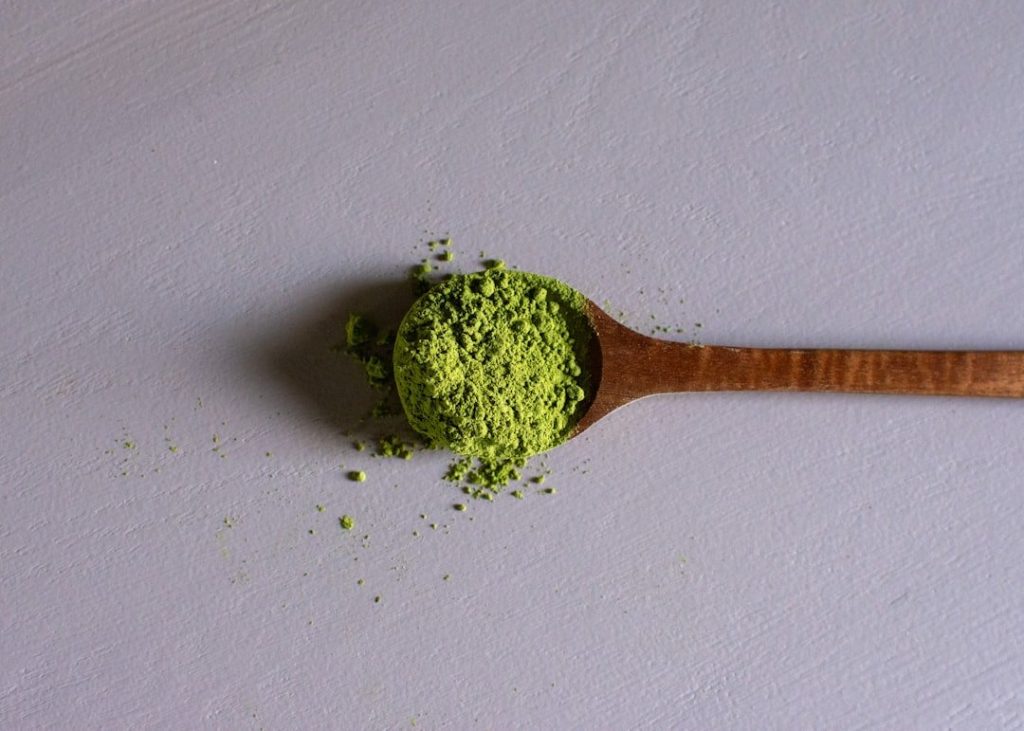
- Color and Texture: Premium matcha should be vibrant green (not dull or yellowish) and have an ultra-fine powder texture. If it’s clumpy or has a brownish tint, it’s been poorly stored or is lower quality.
- Certification: Look for organic certification and third-party testing for heavy metals. Matcha absorbs minerals from soil, so testing matters. Reputable brands provide these results transparently.
- Packaging: The best matcha brands fitness professionals trust use opaque, airtight containers or tin cans. Matcha degrades quickly when exposed to light and air, so packaging tells you whether the brand actually cares about quality.
- Price Point: Genuine ceremonial-grade matcha costs between $25–$50 for a tin that lasts about a month. If it’s significantly cheaper, corners were cut somewhere.
What Are the Top 7 Best Matcha Brands for Fitness and Athletic Performance?
After reviewing sourcing, quality testing, athlete feedback, and actual nutritional profiles, here are the best matcha brands fitness enthusiasts and serious athletes consistently choose. These aren’t ranked by price—they’re ranked by how well they deliver on quality, taste, and performance benefits.
1. DoMatcha Ceremonial Grade
DoMatcha sources from Uji, Japan’s most prestigious matcha region, and their ceremonial grade is genuinely smooth without any of that grassy aftertaste that ruins so many matcha drinks. Each serving delivers approximately 70mg of caffeine plus the full L-theanine profile you’re looking for. The brand conducts third-party testing for heavy metals and pesticides, which matters if you’re consuming this daily. Athletes particularly appreciate the clean energy without the digestive upset that sometimes comes with lower-quality matcha. The tin packaging keeps the powder fresh, and a single tin lasts about 30 days with daily use.
2. Grace Matcha Premium Ceremonial
Grace sources exclusively from small farms in Nishio, Japan, and their attention to detail shows. The powder is incredibly fine—almost silky—and the flavor is naturally sweet with subtle umami notes instead of bitterness. What sets Grace apart for fitness folks is their transparency. They publish detailed nutrient analysis, including exact EGCG content per serving (roughly 137mg), and they test every batch for contaminants. The price is higher than average, but serious athletes often say it’s worth it because the taste makes you actually want to drink it consistently, which matters for compliance.
3. Mizuba Organic Ceremonial Matcha
Mizuba combines traditional Japanese sourcing with modern sustainability practices. Their matcha comes from shade-grown plants in Kyoto, and they’re transparent about their supply chain. For fitness professionals, Mizuba offers excellent value—the ceremonial grade is around $30 per tin and delivers solid quality without the premium markup of some other brands. The flavor is balanced, not too sweet and not grassy, which makes it versatile for both traditional whisked matcha and blending into smoothies. Many athletes appreciate that Mizuba publishes their [USDA FoodData Central nutritional analysis](https://fdc.nal.usda.gov), so you know exactly what you’re consuming.
4. MatchaDNA Premium Grade
MatchaDNA focuses specifically on the fitness market, and it shows in their product design. They offer both ceremonial and culinary grades, but their premium ceremonial is particularly good for pre-workout use. The brand conducts third-party testing and publishes results for heavy metals, pesticides, and microbial contamination. Athletes like the consistent quality batch-to-batch, which matters when you’re using matcha as part of a structured nutrition plan. The tin is opaque and resealable, protecting the matcha from degradation. MatchaDNA also provides detailed brewing instructions optimized for different uses—pre-workout, post-workout recovery, or sustained focus.
5. Pure Matcha Ceremonial Grade
Pure Matcha sources from Yame, Japan’s second-most prestigious region after Uji, and their ceremonial grade is consistently excellent. The powder has that bright green color that indicates proper harvesting and storage, and it whisks smoothly without clumping. For fitness enthusiasts on a moderate budget, Pure Matcha offers solid quality at around $28 per tin. The brand conducts third-party testing and clearly labels their product with harvest date and region, which shows they’re confident in their sourcing. Athletes report clean energy and good focus without jitters, which is exactly what you want from pre-workout matcha.
6. Jade Leaf Organic Ceremonial Matcha
Jade Leaf sources from family farms in Uji and has been in the matcha business long enough to understand what serious athletes need. Their ceremonial grade is smooth, naturally slightly sweet, and doesn’t require excessive whisking to dissolve. The brand offers both traditional whisked matcha and convenient matcha sticks for athletes on the go. What stands out is their consistency—athletes who use Jade Leaf regularly report that every tin tastes the same, which matters if you’re relying on matcha for pre-workout energy. The organic certification and third-party testing add credibility, and the price point ($25–$35) is reasonable for the quality.
7. Encha Ceremonial Grade Matcha
Encha works directly with farmers in Nishio, Japan, and their commitment to traceability is impressive. You can actually trace your matcha back to the specific farm where it was grown. For fitness professionals who care about sourcing and sustainability, this matters. The ceremonial grade is vibrant green, smooth, and delivers the energy and focus you’d expect. Encha also publishes detailed nutritional information and conducts heavy metal testing. The premium price (around $40–$50 per tin) reflects the quality and transparency, but serious athletes often view it as an investment in consistency and peace of mind.
How Should You Use Matcha for Maximum Fitness Benefits?
Getting the right best matcha brands fitness product is half the battle. How you use it matters equally. Here’s what the research and practical experience show about timing and preparation: “`html 7 Best Matcha Brands for
- Pre-Workout Timing: Drink matcha 30–60 minutes before training. The L-theanine and caffeine combination peaks in your bloodstream around this window, giving you sustained energy without the crash that comes with coffee.
- Proper Whisking: Use a traditional bamboo whisk (chasen) or a small electric frother. This aerates the matcha and prevents clumping. Cold matcha that’s poorly whisked tastes bitter and gritty.
- Water Temperature: Use water around 160–170°F (70–75°C), not boiling. Boiling water damages some of the beneficial compounds and creates a bitter taste.
- Dosage: One traditional serving is about 1.5 teaspoons (roughly 2 grams) of powder. This gives you the full antioxidant and caffeine profile without excess.
- Post-Workout Option: Some athletes blend matcha into recovery smoothies
About This ArticleDisclaimer: Content is for informational purposes only. Professional advice should be sought for specific situations.