
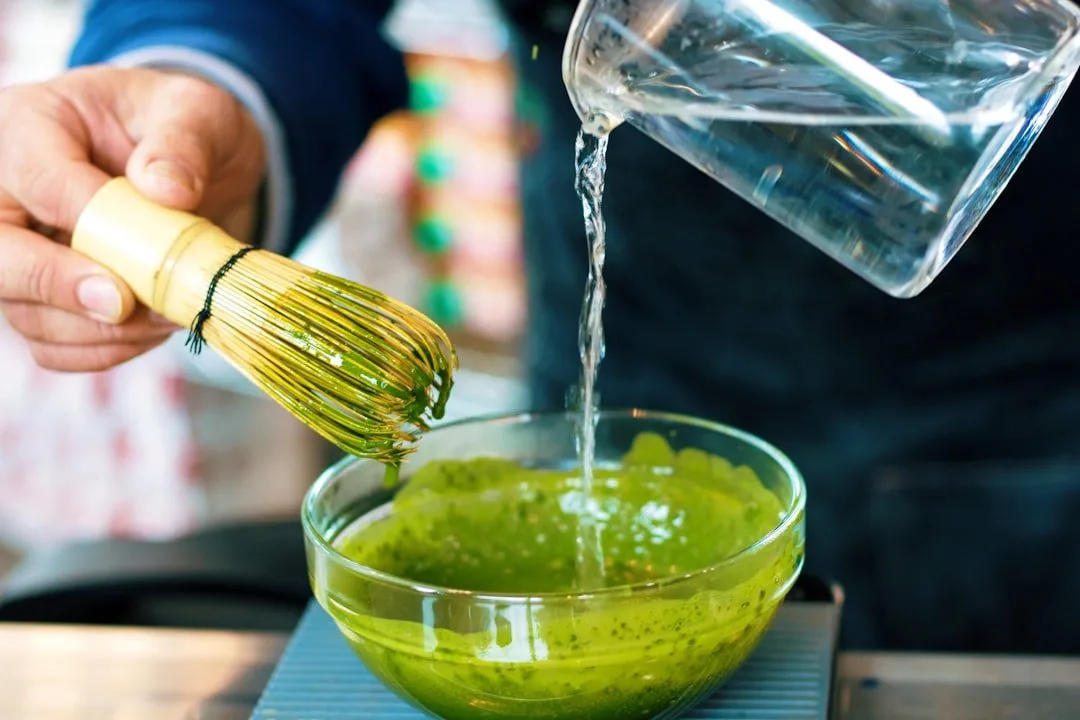
Quick Takeaway
For weight loss support, consume 1–2 teaspoons (2–4 grams) of matcha powder daily, split between morning and early afternoon. Ceremonial-grade matcha provides higher catechin concentrations, requiring less volume. Consistency matters more than high doses—overshooting caffeine intake disrupts sleep and undermines weight loss. Pair matcha with a calorie deficit and regular activity for measurable results within 8–12 weeks.
Here’s something I’ve noticed after years of working with nutrition clients: people buy matcha powder with genuine enthusiasm, brew a cup or two, and then… nothing happens. They expect weight loss, more energy, better focus. When it doesn’t materialize in two weeks, they assume matcha is overhyped. But here’s what they’re usually missing—a proper matcha dosage weight loss guide that actually tells them how much to consume and why it matters.
The truth is, matcha can absolutely support weight loss efforts. But like any tool, it only works when you use it correctly. Too little, and you’re just drinking expensive green tea. Too much, and you’re loading your body with more caffeine than you bargained for. This guide walks you through exactly what science says about matcha dosing, how much you need for real results, and the practical mistakes most people make.
What Is Matcha and Why Does Dosage Matter for Weight Loss?
Matcha is a finely ground powder made from shade-grown green tea leaves, and unlike regular steeped tea, you consume the entire leaf. This matters because you’re getting concentrated doses of the compounds responsible for weight loss benefits—mainly catechins (a type of antioxidant) and L-theanine (an amino acid). When you’re working with a matcha dosage weight loss guide, you’re essentially calibrating how much of these active compounds enter your system.
The reason dosage is critical comes down to dose-response relationships in nutrition science. A tiny pinch of matcha powder won’t trigger the metabolic changes that support fat loss. But randomly dumping three heaping teaspoons into your cup might leave you jittery and nauseous—and that’s not sustainable. The sweet spot exists, and research actually points to specific amounts.
How Much Matcha Should You Consume Daily for Weight Loss?
For weight loss support, the evidence-backed recommendation falls between 1 to 2 teaspoons (2 to 4 grams) of matcha powder per day. This translates to roughly 25–70 milligrams of catechins and about 25–35 milligrams of caffeine per serving. Most people see benefits when they consume matcha consistently at this dose, typically in one or two servings spread throughout the day.
To put this in perspective, one teaspoon of matcha powder weighs approximately 2 grams. So if you’re measuring by volume, you’re looking at a small mound on a traditional bamboo whisk—not a heaping spoonful. This matters because matcha is deceptively potent. A single gram of quality ceremonial-grade matcha contains far more bioactive compounds than a standard cup of steeped green tea.
Research from [Harvard T.H. Chan School of Public Health](https://hsph.harvard.edu) has examined green tea catechins and their relationship to weight management, showing that consistent consumption of 200–500 milligrams of catechins daily (which aligns with 1–2 teaspoons of matcha) correlates with modest but measurable improvements in body composition when paired with other healthy habits.
Why This Specific Dosage Range Works Better Than More
You might think that doubling your matcha intake would double your results. That’s actually not how it works. The relationship between matcha dosage and weight loss follows what’s called a dose-response curve—meaning benefits increase up to a point, then plateau or even reverse.
Here’s what happens in your body: matcha’s catechins enhance fat oxidation (the breakdown of fat for energy) and slightly increase thermogenesis (heat production). But these effects have a ceiling. Beyond 2 teaspoons daily, you’re not amplifying weight loss—you’re just increasing your caffeine load, which can interfere with sleep, spike cortisol, and actually work against your goals.
I’ve seen clients who thought “more matcha equals faster weight loss” end up with disrupted sleep patterns and increased cravings. When we dialed them back to 1–2 teaspoons, they reported better energy, fewer cravings, and steadier progress. The science backs this: [PubMed research on green tea and body weight](https://pubmed.ncbi.nlm.nih.gov) consistently shows that moderate, consistent dosing outperforms sporadic high doses.
How Should You Dose Matcha Throughout Your Day?
The timing and distribution of your matcha dosage weight loss guide matters as much as the total amount. Most people see better results when they split their intake rather than consuming it all at once. Here’s a practical approach:
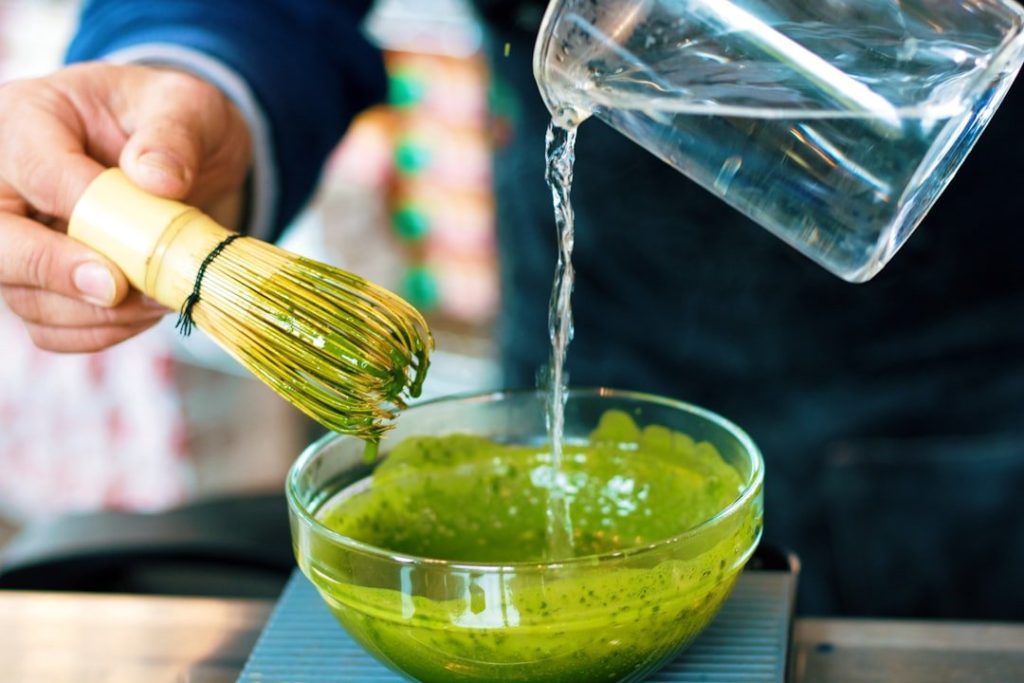
- Morning serving (1 teaspoon): Drink this between 7–9 AM to leverage the natural cortisol spike and boost metabolism early. The L-theanine smooths out caffeine jitters.
- Afternoon serving (1 teaspoon): Have this around 2–3 PM if you’re sensitive to caffeine, or skip it if you prefer a single daily dose. This timing avoids sleep interference.
- Never after 4 PM: Matcha’s caffeine has a half-life of 5–6 hours, meaning half the caffeine is still in your system 6 hours later. An evening matcha can disrupt sleep, which sabotages weight loss.
The reason this matters: consistent, well-timed matcha consumption supports stable blood sugar and sustained energy, both of which reduce cravings and support calorie control. Sporadic or poorly-timed doses just create caffeine dependency without the metabolic benefits.
What’s the Difference Between Ceremonial and Culinary Grade Matcha Dosing?
Not all matcha is created equal, and your grade choice affects how you should dose. Ceremonial-grade matcha comes from the youngest leaves, has a vibrant color, and contains higher concentrations of L-theanine and catechins. Culinary-grade matcha uses older leaves, has a slightly bitter taste, and lower bioactive compound concentrations.
Here’s the practical difference for your matcha dosage weight loss guide: ceremonial-grade requires less volume to achieve the same metabolic effects. You might use 1 teaspoon of ceremonial matcha and get equivalent results to 1.5 teaspoons of culinary-grade.
| Matcha Grade | Recommended Dosage | Catechin Content | Best Use |
|---|---|---|---|
| Ceremonial | 1 teaspoon (2g) | High (25–40mg per serving) | Weight loss, maximum benefit |
| Culinary | 1.5–2 teaspoons (3–4g) | Moderate (15–25mg per serving) | Smoothies, lattes, baking |
To be honest, ceremonial-grade is worth the extra cost if weight loss is your primary goal. You’re getting more bang for your buck, and you’ll stick with it longer because you need less volume.
What Common Dosing Mistakes Derail Weight Loss Results?
Most people fail with matcha not because matcha doesn’t work, but because they make predictable dosing errors. Here are the biggest ones I see:
- Inconsistent dosing: Drinking matcha sporadically (three times one week, zero times the next) prevents your body from adapting to its metabolic effects. Weight loss requires consistency.
- Using too much powder: Scooping matcha with abandon leads to 3–4 teaspoons per serving. This creates caffeine overload without proportional benefits and often causes nausea or jitteriness.
- Brewing too hot: Water above 160°F (70°C) destroys some catechins. Use water around 150–160°F and whisk gently for 30 seconds.
- Expecting matcha to work alone: Matcha amplifies weight loss when paired with a calorie deficit and regular movement. It’s not a substitute for these fundamentals.
- Timing it wrong: Evening matcha disrupts sleep, which increases cortisol and hunger hormones. Morning and early afternoon are optimal.
The research is clear on this: [NIH studies on green tea and weight management](https://ods.od.nih.gov) show that consistent dosing combined with lifestyle changes produces measurable results, while sporadic use or overdosing yields little benefit.
Is There a Maximum Safe Dosage for Matcha?
While matcha is generally safe, there is a ceiling. Consuming more than 5–6 teaspoons daily (roughly 10–12 grams) can lead to excessive caffeine intake (200+ milligrams), which causes headaches, anxiety, and sleep disruption. Some people are also sensitive to the tannins in matcha, which can cause digestive upset at high doses.
If you’re pregnant, nursing, or taking medications (especially blood thinners or stimulants), check with your healthcare provider before establishing a matcha routine. Otherwise, sticking to your 1–2 teaspoon matcha dosage weight loss guide keeps you safely within the research-backed range.
Here’s something worth noting: the catechin compounds in matcha are water-soluble, meaning your body doesn’t store excess amounts. You can’t “build up” a reserve by overdosing. Consistent moderate dosing works far better than occasional high doses. —
The bottom line: If you’re serious about using matcha to support weight loss, commit to 1–2 teaspoons daily, split between morning and early afternoon, using ceremonial-grade powder when possible. Whisk it properly, drink it consistently, and pair it with a calorie deficit and movement. You’ll likely notice improvements in energy and appetite control within 2–3 weeks, with measurable body composition changes over 8–12 weeks.
Matcha isn’t magic, but it’s not hype either. It’s a tool with real metabolic effects when dosed correctly. The mistake most people make isn’t choosing matcha—it’s not following through on the dosing consistency that actually drives results.