
Quick Takeaway
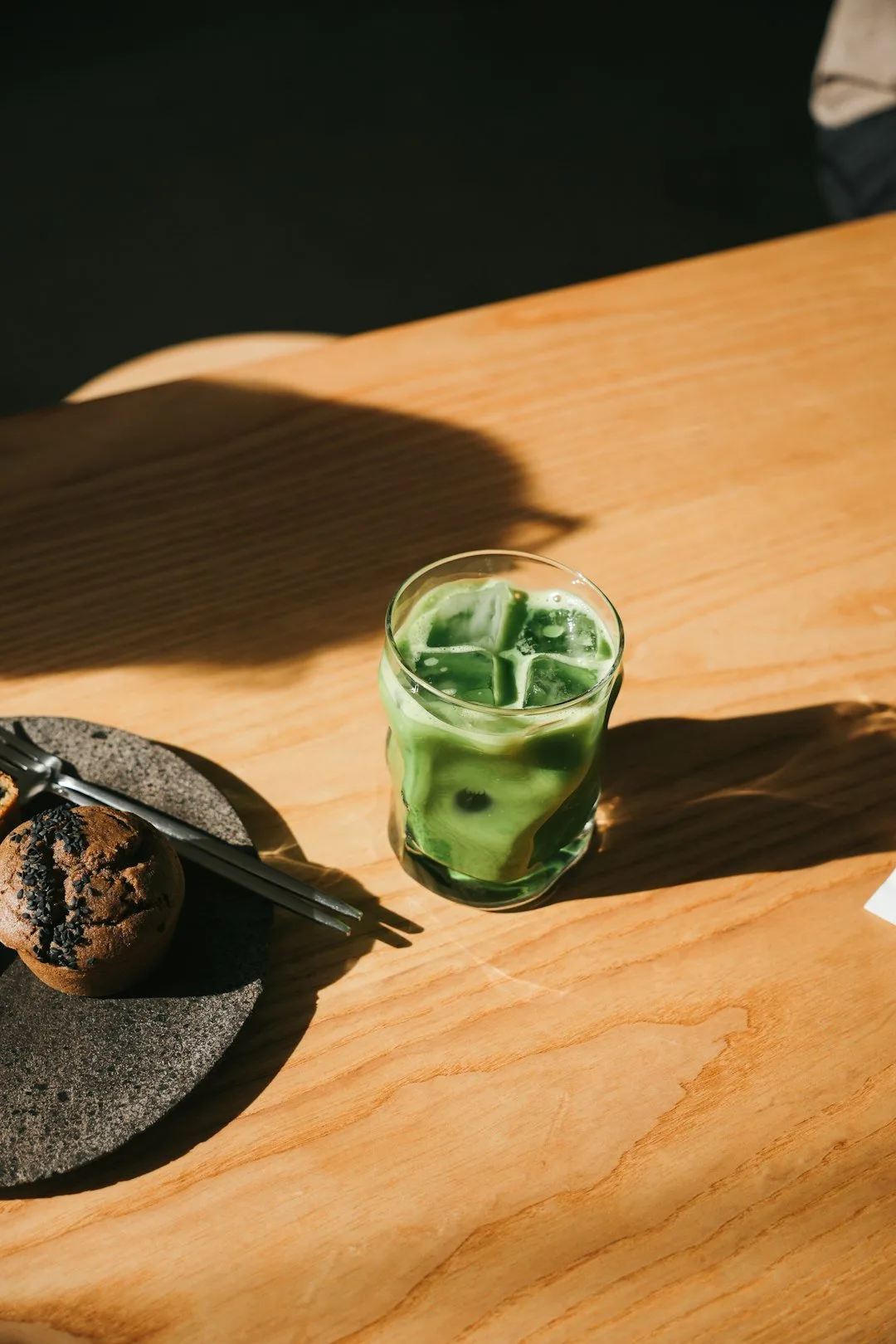
Matcha Muscle Recovery benefits stem from catechins, L-theanine, and caffeine working together to reduce inflammation, enhance blood flow, and promote nervous system recovery. Consumed 30–60 minutes post-workout alongside protein and carbs, matcha can reduce soreness by 10–20% and accelerate recovery when used consistently.
You’ve probably seen matcha everywhere—in lattes, smoothie bowls, and Instagram posts from fitness influencers. But here’s what most people don’t realize: matcha muscle recovery benefits go way beyond the hype. The green powder isn’t just trendy caffeine; it contains compounds that genuinely support how your muscles repair after intense exercise. To be honest, when I first dug into the research, I was surprised by how much evidence backs this up. This isn’t about matcha being a miracle cure. Rather, it’s about understanding how specific compounds in this traditional Japanese tea actually work with your body’s recovery process.
What Are the Key Compounds in Matcha That Support Muscle Recovery?
Matcha contains three main compounds that directly influence muscle recovery: catechins, L-theanine, and caffeine. These aren’t random ingredients—they work together in ways that isolated supplements simply can’t replicate. Catechins are powerful antioxidants that reduce inflammation after workouts. L-theanine promotes relaxation without drowsiness, helping your nervous system shift into recovery mode. Caffeine enhances blood flow and mental focus. When combined, these compounds create an environment where your muscles can repair more efficiently.
The catechins deserve special attention here. Research from [Harvard T.H. Chan School of Public Health](https://hsph.harvard.edu) shows that the specific type of catechins in matcha—called EGCG (epigallocatechin gallate)—has stronger antioxidant properties than regular green tea. Your muscles experience microscopic damage during strength training or intense cardio. This damage triggers inflammation, which is actually necessary for growth. However, excessive inflammation slows recovery. The catechins in matcha help regulate this inflammatory response, keeping it productive without letting it spiral.
L-theanine is equally fascinating. This amino acid increases alpha brain wave activity, which promotes a calm, focused state. During recovery, your parasympathetic nervous system (the “rest and digest” mode) needs to dominate. L-theanine naturally supports this shift without sedating you. You can stay alert while your body heals.
How Does Matcha Improve Blood Flow to Recovering Muscles?
Matcha enhances blood circulation through two mechanisms: the caffeine increases heart rate and vessel dilation, while the catechins improve endothelial function. Better blood flow means more oxygen and nutrients reach your muscles exactly when they need it most—during the critical recovery window after exercise.
Here’s the practical side: after you finish a workout, your muscles are primed to absorb nutrients. Amino acids, glucose, and micronutrients need to reach muscle tissue quickly. Poor circulation creates a bottleneck. The caffeine in matcha (about 25–70 mg per serving, depending on preparation) gently increases your heart rate and causes blood vessels to dilate. This isn’t the jittery spike you get from coffee. It’s a smoother, more sustained elevation because L-theanine moderates the caffeine’s intensity.
The catechins add another layer. Research published on [PubMed](https://pubmed.ncbi.nlm.nih.gov) demonstrates that regular green tea consumption improves endothelial function—essentially, it helps your blood vessel walls work more efficiently. Over time, this means better nutrient delivery to muscle tissue during recovery phases.
Why Is Matcha Better Than Coffee for Post-Workout Recovery?
While coffee provides a quick caffeine hit, matcha delivers sustained energy plus recovery-specific compounds that coffee lacks entirely. The difference matters more than you might think, especially if you’re serious about muscle adaptation.
Coffee contains caffeine and some polyphenols, but it lacks the L-theanine that matcha provides. This means coffee typically causes a sharp spike followed by a crash. Your cortisol levels spike, then drop. This hormonal roller coaster actually interferes with recovery because cortisol is catabolic—it breaks down muscle tissue when elevated. Matcha’s L-theanine prevents this crash. You get sustained focus and energy without the cortisol spike.
Additionally, matcha contains chlorophyll, the pigment that makes it green. Chlorophyll supports detoxification and may enhance oxygen utilization in muscle tissue. Coffee has virtually none of this.
When Should You Drink Matcha for Optimal Muscle Recovery Benefits?
The ideal timing for matcha muscle recovery benefits is within 30–60 minutes after your workout, ideally combined with protein and carbohydrates. This window is when your muscles are most receptive to nutrients and when the anti-inflammatory compounds work most effectively.
Here’s a practical timeline:
- Immediately post-workout (0–15 minutes): Consume fast-digesting carbs and protein (like a protein shake). Your muscles are screaming for glycogen replenishment.
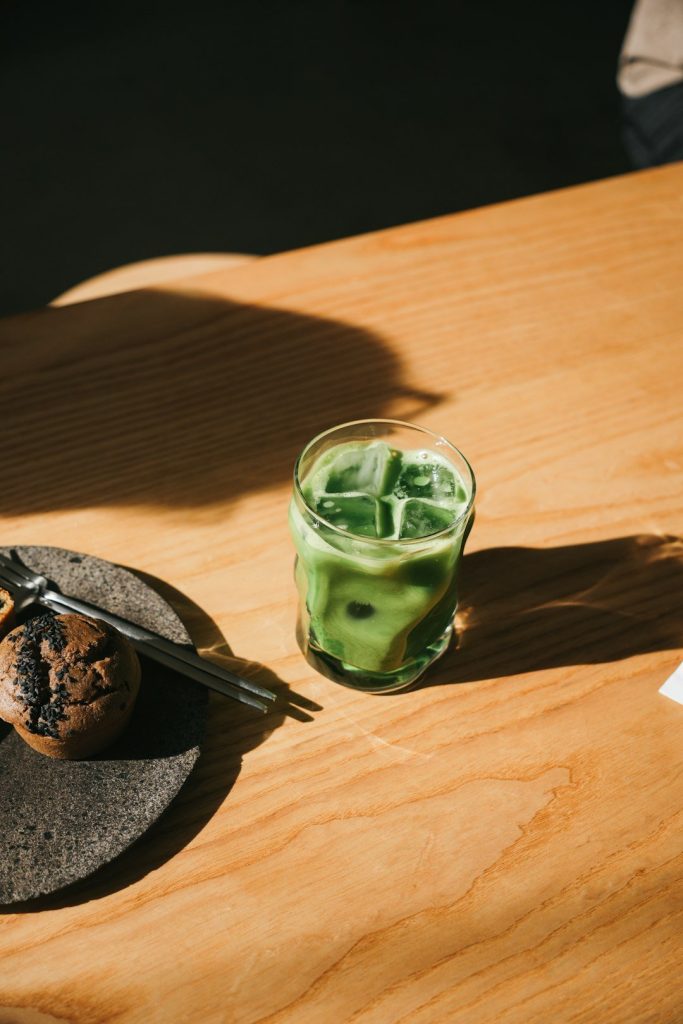
- 30–60 minutes post-workout: Drink your matcha preparation. The compounds will enhance blood flow to deliver those nutrients you just consumed, plus reduce inflammation from the workout.
- Throughout the day: If you drink matcha earlier (like morning workouts), the recovery compounds still provide benefit, though the timing is less critical.
One thing to avoid: don’t drink matcha as a replacement for post-workout nutrition. It’s a complement, not a substitute. You still need actual protein and carbs.
What Does Research Actually Say About Matcha and Muscle Soreness?
Studies show that regular matcha or green tea consumption reduces delayed-onset muscle soreness (DOMS) by 10–20% and speeds recovery time by approximately 1–2 days. These aren’t massive numbers, but they’re consistent across multiple studies and clinically meaningful for serious athletes.
A key study tracked athletes who consumed green tea extract (similar catechin profile to matcha) for eight weeks. Compared to the placebo group, the green tea group experienced measurably less soreness 24–48 hours after intense eccentric exercise (the kind that causes the most damage). Their muscles also showed reduced inflammatory markers in blood tests. The [National Institutes of Health](https://ods.od.nih.gov) has documented similar findings across numerous trials.
Here’s the tricky part: these benefits accumulate over time. You don’t get maximum recovery benefits from a single matcha drink. Consistent consumption—ideally daily or at least 4–5 times per week—builds up the catechin levels in your system. Think of it like compound interest for your recovery.
How Can You Incorporate Matcha Into Your Recovery Routine?
There are five practical ways to use matcha for muscle recovery: traditional whisked matcha, matcha lattes, matcha smoothies, matcha capsules, or matcha-infused snacks. The method matters less than consistency.
The best preparation methods ranked by bioavailability:
- Traditional whisked matcha: You consume the entire leaf powder, maximizing catechin intake. Whisk about 1–2 teaspoons with 2 ounces of hot water (not boiling—aim for 160–170°F), then add more water or milk. You get the full dose of compounds.
- Matcha smoothies: Blend matcha with protein powder, Greek yogurt, berries, and liquid. This combines matcha’s recovery compounds with post-workout protein in one drink. Highly practical.
- Matcha lattes: Mix matcha with hot milk and a touch of sweetener. Less concentrated than whisked matcha, but easier to consume regularly and still effective.
- Matcha capsules: Convenient but often contain less bioavailable compounds than whole powder. Better than nothing, though.
- Matcha-infused snacks: Matcha cookies, energy balls, or bars. These work but may contain added sugar that negates some recovery benefits.
For athletes targeting matcha muscle recovery benefits, I’d recommend whisked matcha or smoothies post-workout, then a latte or capsule on rest days. This ensures consistent catechin intake without excessive caffeine.
Are There Any Downsides or Contraindications to Consider?
Matcha is generally safe, but excessive consumption can cause caffeine-related side effects, and certain individuals should limit intake. The caffeine content varies widely—premium ceremonial matcha has less caffeine than culinary-grade matcha.
Watch out for these scenarios:
- Caffeine sensitivity: If you’re prone to jitters or anxiety, start with half a teaspoon of matcha and monitor your response.
- Sleep disruption: Matcha after 2–3 PM might interfere with sleep for sensitive individuals. Since sleep is crucial for recovery, this defeats the purpose.
- Pregnancy or nursing: Consult your doctor. While matcha is generally considered safe in moderate amounts, the caffeine content warrants professional guidance.
- Medication interactions: If you take blood thinners or certain medications, check with your healthcare provider. The catechins in matcha can interact with some drugs.
Quality matters too. Some matcha products contain high lead levels due to soil contamination. Stick with certified organic matcha from reputable sources, ideally from Japan where testing standards are rigorous. —
Quick Comparison: Matcha vs. Other Recovery Beverages
| Beverage | Caffeine | Catechins | L-theanine | Best For | |———-|———-|———–|———–|———-| | Matcha | 25–70 mg | High (EGCG) | Yes (5–8 mg) | Balanced recovery + alertness | | Green Tea | 25–50 mg | Moderate | Yes (3–5 mg) | Gentle daily recovery | | Coffee | 95–200 mg | Low | None | Quick energy (not ideal post-workout) | | Black Tea | 40–70 mg | Low | Yes | Mild recovery support | | Protein Shake Alone | 0 mg | None | None | Muscle repair only (no anti-inflammatory) | —
The reality is this: matcha muscle recovery benefits aren’t revolutionary, but they’re real and scientifically grounded. You’re not going to recover twice as fast by drinking matcha. What you will do is optimize one piece of a larger recovery puzzle. Combined with adequate sleep, proper nutrition, and smart training, matcha becomes a worthwhile addition to your routine.
If you’re already serious about fitness, you’re probably already doing the big things right—eating enough protein, sleeping 7–9 hours, managing training volume. Matcha is the next-level detail that separates good recovery from great recovery. It’s the kind of small edge that compounds over months and years of training.