
Quick Takeaway
Matcha weight loss benefits come from catechins and caffeine that modestly enhance fat oxidation and metabolism, typically resulting in 1-3 kg weight loss over months when combined with exercise and a calorie deficit. Prepare it simply without added sugars, consume it consistently, and view it as a supporting tool rather than a standalone solution for sustainable weight management.
Matcha weight loss benefits have become something of a wellness darling in recent years, but the question everyone’s really asking is: does this vibrant green powder actually help you shed pounds, or is it just another trendy superfood that looks better on Instagram than it performs in your body?
The truth sits somewhere between the hype and the skepticism. Matcha—the finely ground powder made from shade-grown green tea leaves—does contain compounds that research suggests could support weight management efforts. But here’s the thing: it’s not a magic bullet, and understanding what the science actually says matters way more than jumping on the trend.
What Makes Matcha Different from Regular Green Tea?
Matcha weight loss benefits differ from regular green tea because you consume the entire leaf rather than just steeped water. When you drink traditional green tea, you’re getting compounds that leach into the water. With matcha, you’re ingesting the whole powdered leaf, which means you get a concentrated dose of its active components.
This distinction matters for weight management. A standard cup of green tea contains roughly 25–50 mg of catechins, the powerful antioxidants linked to metabolism. A bowl of matcha? You’re looking at 100–150 mg per serving. That’s a meaningful difference your body actually processes.
The shade-growing process also sets matcha apart. When tea plants are shaded before harvest, they produce more chlorophyll and L-theanine—an amino acid that works alongside caffeine to create a calm, focused state. This isn’t just about feeling alert; the combination of these compounds influences how your body handles energy and appetite.
How Does Caffeine in Matcha Support Weight Loss Efforts?
Matcha contains about 25–70 mg of caffeine per serving, depending on preparation. That’s less than coffee but more than regular green tea. Caffeine itself has a modest effect on metabolism and fat oxidation, particularly when combined with other compounds in matcha.
Research from PubMed shows that caffeine can increase thermogenesis—the process where your body burns calories to produce heat. Studies suggest caffeine boosts metabolic rate by 3–11%, though the effect varies based on individual factors like body composition and caffeine tolerance.
But here’s where it gets interesting: caffeine alone doesn’t create dramatic weight loss. The real benefit appears when caffeine pairs with catechins, the antioxidants abundant in matcha. Together, they seem to enhance fat oxidation more effectively than either compound alone.
The practical takeaway? Matcha’s caffeine contribution is real but modest. You’re not going to lose weight just from the caffeine content. What matters is how matcha fits into your overall routine—whether you’re using it to replace sugary beverages or as part of a broader lifestyle approach.
What Role Do Catechins Play in Matcha Weight Loss Benefits?
Catechins are the heavy lifters in matcha when it comes to weight management. These polyphenols, particularly epigallocatechin gallate (EGCG), have been studied extensively for their effects on metabolism and fat breakdown.
Harvard T.H. Chan School of Public Health research indicates that EGCG may enhance the body’s ability to oxidize fat, especially during exercise. The mechanism works like this: EGCG inhibits an enzyme that normally breaks down norepinephrine, a hormone that signals fat cells to release stored fat. By keeping norepinephrine levels elevated longer, your body theoretically mobilizes fat more efficiently.
Multiple studies have examined whether green tea catechins actually translate to weight loss in real people. The results are encouraging but modest. A meta-analysis found that people consuming green tea with catechins lost an average of 1–3 kg more than control groups over 12 weeks. That’s not transformative, but it’s measurable.
The catch? You need consistency. The benefits emerge with regular consumption over weeks, not days. One cup of matcha won’t shift the scale, but incorporating it as a daily habit alongside other healthy choices can contribute to cumulative results.
Does Matcha Actually Suppress Appetite?
The appetite-suppressing potential of matcha comes primarily from L-theanine and caffeine working together. L-theanine, an amino acid unique to tea plants, increases dopamine and serotonin production—neurotransmitters involved in mood and satiety signals.
Here’s what makes this relevant: when you feel calmer and more focused, you’re less likely to reach for food out of stress or boredom. That’s not matcha magically erasing hunger; it’s about creating a mental state where you make different choices.
The caffeine component also plays a role. Caffeine can reduce appetite temporarily, though tolerance builds over time. If you’re a regular coffee drinker, you already know this effect well—that initial appetite suppression fades as your body adapts.
To be honest, the appetite-suppressing effect is probably the weakest link in matcha weight loss benefits. Some people notice it; others don’t. If you’re relying on matcha to kill hunger cravings, you might be disappointed. It’s better viewed as a tool that might help slightly, not a solution on its own.
How Should You Prepare Matcha to Maximize Its Benefits?
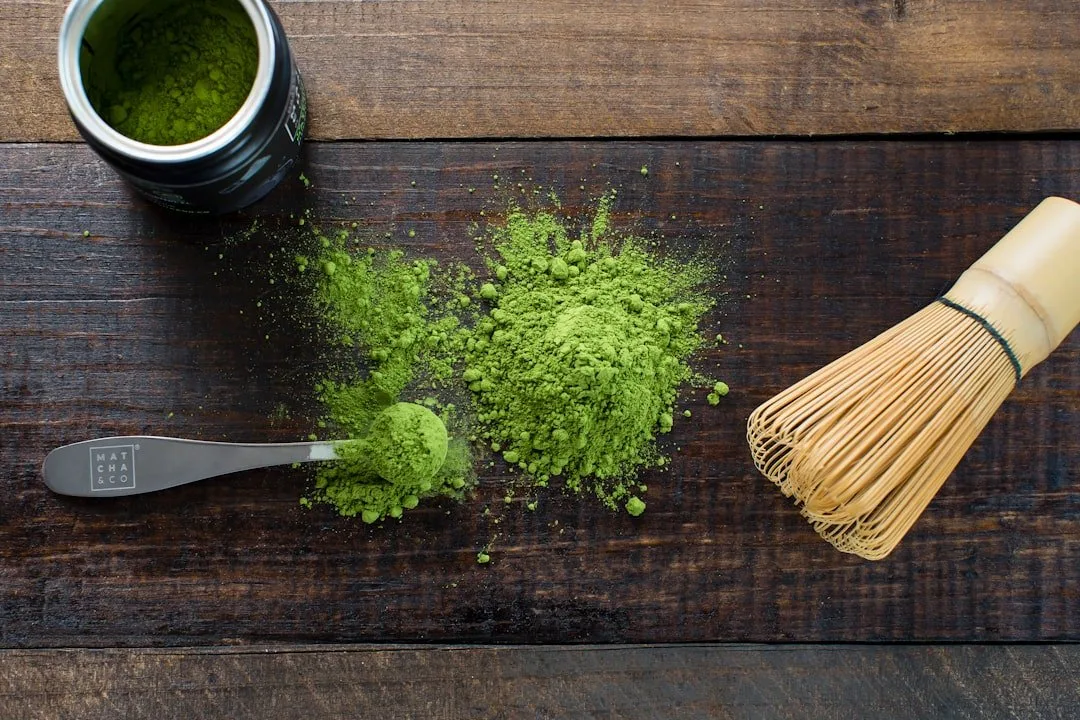
Preparation method actually influences how many active compounds end up in your cup. The traditional whisking method—using a bamboo whisk to blend matcha powder with hot water—ensures the entire powder is suspended and consumed. This is superior to just stirring powder into liquid, where some settles at the bottom.
Water temperature matters too. Boiling water can damage some heat-sensitive compounds. Aim for water around 160–180°F (70–80°C). If you don’t have a thermometer, let boiling water cool for about 3–5 minutes before adding matcha.
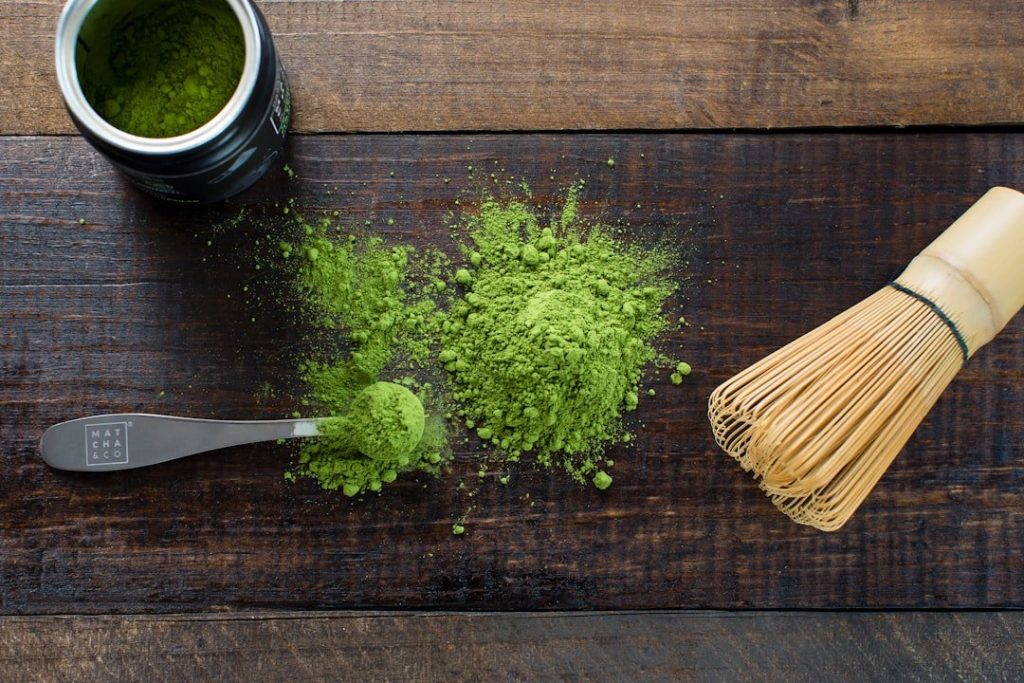
Here’s the practical process:
- Sift 1–2 teaspoons of matcha powder into a bowl to remove clumps
- Add 2–3 ounces of hot (not boiling) water
- Whisk vigorously in an M-shape motion until frothy
- Add remaining water or milk to reach your preferred strength
Avoid adding matcha to high-heat blenders immediately after boiling—the heat degrades some beneficial compounds. Cold matcha lattes are fine; just let the water cool first.
What About Matcha Lattes and Added Sugars?
This is where many people accidentally undermine matcha weight loss benefits. A matcha latte from a café often contains 25–40 grams of added sugar from syrups, sweetened milk alternatives, and whipped cream. You’re essentially drinking a dessert disguised as a health beverage.
If you’re making matcha at home with unsweetened almond milk or water, you’re getting the full benefit without the calorie and sugar load. But those Instagram-worthy matcha lattes with honey, vanilla syrup, and oat milk? They can contain 200+ calories and more sugar than a candy bar.
The weight loss potential disappears when you add significant calories back in. It’s the difference between matcha supporting your goals and matcha becoming an obstacle to them.
What Does Current Research Say About Matcha and Weight Management?
Studies on green tea and weight loss have produced mixed but generally positive results. The National Institutes of Health acknowledges that green tea catechins show promise for modest weight loss, particularly when combined with caffeine and physical activity.
A 2020 systematic review found that green tea consumption was associated with small reductions in body weight and body fat percentage. The effects were most pronounced in people who exercised regularly and maintained a calorie deficit.
Here’s the critical detail: none of these studies showed that green tea or matcha alone caused significant weight loss. Every meaningful result involved people who were also making other lifestyle changes. Matcha weight loss benefits emerge as part of a bigger picture, not as an isolated intervention.
Research also suggests individual factors influence whether matcha helps you personally. Genetics, baseline metabolism, caffeine sensitivity, and existing habits all play roles. Someone who currently drinks sugary sodas might see more dramatic results switching to matcha than someone already drinking water consistently.
How Does Matcha Compare to Other Weight Loss Supplements?
Unlike many weight loss supplements, matcha is a whole food with a long history of use. It hasn’t been linked to serious side effects in reasonable quantities. Most weight loss supplements make exaggerated claims unsupported by evidence, while matcha’s benefits are modest but real.
That said, matcha isn’t a substitute for the fundamentals: calorie balance, protein intake, physical activity, and sleep. No supplement—matcha included—can overcome poor habits in these areas.
Matcha’s advantage over many alternatives is that it’s not trying to trick your body. It’s not stimulating your nervous system to dangerous levels or suppressing appetite through problematic mechanisms. It’s a beverage with compounds that modestly support metabolism and fat oxidation.
Practical Steps to Incorporate Matcha Into a Weight Loss Strategy
If you want to explore matcha weight loss benefits as part of a real approach, here’s how to do it effectively:
- Replace, don’t add: Swap matcha for higher-calorie beverages you currently drink, not in addition to them
- Keep it simple: Prepare matcha with water or unsweetened milk to avoid hidden calories
- Drink it consistently: Make it a daily habit for at least 4–6 weeks to assess any personal effects
- Pair with exercise: Matcha’s benefits are most pronounced when combined with physical activity
- Focus on the bigger picture: Use matcha as one tool alongside proper nutrition and movement, not as a standalone solution
The timing of matcha consumption doesn’t seem to matter dramatically for weight loss, though some people prefer it in the morning for its gentle caffeine boost. If you’re caffeine-sensitive, avoid matcha after 2 PM to prevent sleep disruption.
The Bottom Line on Matcha Weight Loss Benefits
Matcha weight loss benefits are real but modest. The science supports that its catechins and caffeine can enhance fat oxidation and slightly boost metabolism, particularly when combined with exercise and a calorie deficit. But we’re talking about a 1–3 kg difference over months, not dramatic transformation.
What matcha does exceptionally well is replace worse choices. If you’re currently drinking sugary lattes, energy drinks, or excessive coffee, switching to properly prepared matcha could meaningfully reduce your calorie intake. That’s where the real weight loss opportunity lies.
The compounds in matcha are worth consuming because they support overall health—antioxidants, chlorophyll, and L-theanine all contribute to wellbeing beyond weight management. But if you’re hoping matcha alone will solve weight struggles, you’ll be disappointed.
Think of matcha as a supporting player in a team effort, not the star. Paired with consistent exercise, adequate protein, whole foods, and reasonable portion sizes, matcha can be a helpful addition. On its own, it’s just an expensive cup of green powder.