
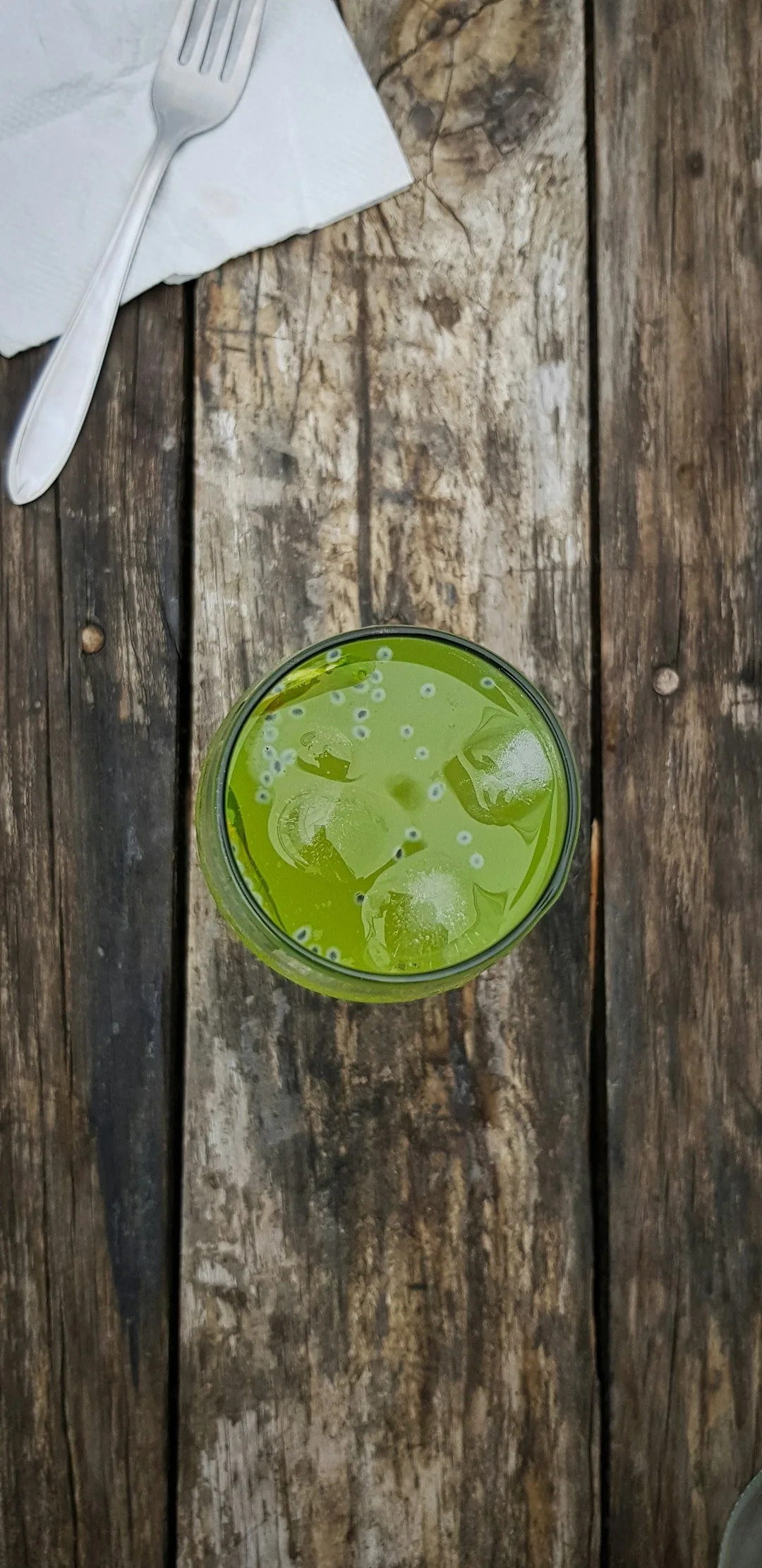
Quick Takeaway
Pre Workout Matcha recipes provide sustained energy through L-theanine and caffeine, offering 4-6 hours of focus without jitters. Mix 1 teaspoon ceremonial matcha with warm water, whisk until frothy, add your choice of milk base, and drink 30-45 minutes before training for optimal performance and recovery.
You’re standing in your kitchen at 5:45 AM, coffee maker glaring at you like it’s judging your life choices. But here’s the thing—pre workout matcha recipes might be exactly what you need instead of another cup of bitter espresso. Matcha isn’t just trendy green powder that Instagram influencers throw into everything. It’s a sustained energy source backed by actual science, packed with amino acids that calm your mind while your heart rate climbs during your workout.
The real magic? Pre workout matcha recipes give you a smooth energy curve instead of the jittery spike-and-crash cycle of coffee. You get L-theanine working alongside caffeine, which means focus without the anxiety. Athletes and fitness enthusiasts have been using matcha for centuries—well, Japanese monks did anyway—and now we’ve figured out how to make it taste like something you’d actually want to drink before hitting the gym.
Why Should You Consider Matcha Over Coffee Before Working Out?
Most people think caffeine is caffeine. Wrong. The caffeine in matcha releases slowly into your bloodstream over 4-6 hours, while coffee hits you like a freight train and abandons you 90 minutes later. When you’re doing pre workout matcha recipes, you’re getting about 70mg of caffeine per serving—enough to boost performance without making you feel like your chest might explode.
Here’s what makes the difference: matcha contains L-theanine, an amino acid that promotes alpha brain waves. These are the same waves your brain produces during meditation. So while your muscles are working hard, your mind stays calm and focused. Research published in PubMed shows that L-theanine combined with caffeine improves attention and reduces mental fatigue compared to caffeine alone.
Unlike coffee, matcha doesn’t spike your cortisol levels as aggressively. This means less stress on your adrenal system and better recovery after your workout. You’re not crashing at 2 PM wondering why you made life choices.
What Are the Best Base Ingredients for Pre Workout Matcha Recipes?
The foundation of any solid pre workout matcha recipe starts with quality matcha powder and a liquid base that actually complements your workout goals. You’re not just mixing powder with water and calling it a day—that’s how you end up with something that tastes like grass clippings.
Your base liquid options matter more than you’d think. Here’s what works:
- Unsweetened almond milk – Low calorie, doesn’t interfere with fat-burning cardio, creamy texture
- Coconut milk – Adds medium-chain triglycerides (MCTs) for sustained energy, tropical flavor
- Oat milk – Higher in carbs for muscle-building workouts, naturally sweet
- Water with a splash of lemon – Minimal calories, vitamin C aids iron absorption from matcha
- Bone broth – Collagen for joint support, umami depth that makes matcha taste less grassy
The matcha powder itself should be ceremonial grade if you’re serious about taste and nutrition. Culinary grade works in a pinch, but ceremonial has finer particles and a smoother flavor profile. You’re spending 30 seconds whisking this stuff—get the good powder.
How Do You Make a Basic Pre Workout Matcha Recipe?
Making pre workout matcha recipes doesn’t require a culinary degree or fancy equipment. The traditional method—whisking—actually works better than blending because it aerates the powder and prevents clumping. Here’s the simple process:
- Heat 2-3 ounces of water to 160-170°F (not boiling—this destroys the nutrients and makes it taste bitter)
- Add 1 teaspoon of matcha powder to a bowl or mug
- Pour a small amount of hot water into the powder and whisk vigorously for 30 seconds until frothy
- Add your remaining liquid base (almond milk, oat milk, etc.) and stir
- Drink immediately—matcha settles quickly
If you don’t have a traditional whisk, use a fork or immersion blender. Just get air into it so the powder dissolves instead of clumping at the bottom like sediment.
What Are the Best Pre Workout Matcha Recipes for Different Workout Types?
Pre workout matcha recipes aren’t one-size-fits-all. Your cardio session needs different fuel than your strength training day. Here’s how to customize:
For Cardio and HIIT Workouts
When you’re doing high-intensity work, you need quick carbs and sustained energy. This recipe gets you both. Combine 1 teaspoon matcha powder with 6 ounces of oat milk, 1 tablespoon of raw honey, and a pinch of sea salt. The oats provide carbohydrates, honey gives you quick glucose, and salt helps with electrolyte balance. Whisk well and drink 30-45 minutes before your session.
For Strength Training
Strength work benefits from sustained energy and protein support. Mix 1 teaspoon matcha with 8 ounces of unsweetened almond milk, 1 scoop of vanilla protein powder, and ½ teaspoon of almond butter. The protein primes your muscles for breakdown and recovery, while the matcha keeps your focus sharp during heavy lifts. Blend this one smooth and drink 45-60 minutes before training.
For Endurance Activities
Long runs, cycling, or CrossFit workouts demand sustained glucose and hydration. Mix matcha with coconut water instead of regular milk, add 1 tablespoon of maple syrup, and a squeeze of fresh lemon juice. Coconut water replaces electrolytes naturally, maple syrup provides sustained carbs, and lemon adds vitamin C for recovery. This stays in your system longer.
Which Pre Workout Matcha Recipes Include Extra Performance Boosters?
Once you’ve mastered the basics, you can stack pre workout matcha recipes with ingredients that actually improve athletic performance. Not all of them work—some are marketing fluff—but these are backed by research.
| Ingredient | Benefit | Amount | Best For |
|---|---|---|---|
| Beta-Alanine | Buffers lactic acid, reduces fatigue | 3-5g | High-rep strength, HIIT |
| Creatine Monohydrate | Increases ATP production, muscle power | 3-5g | Strength training, sprints |
| Beetroot Juice | Improves blood flow, oxygen delivery | 2 oz | Cardio, endurance |
| MCT Oil | Quick energy without blood sugar spike | 1 tablespoon | Fasted cardio, fat loss |
| Ginger | Reduces inflammation, aids digestion | ½ teaspoon fresh | Recovery, all workouts |
The NIH Office of Dietary Supplements confirms that creatine monohydrate is one of the most researched and effective performance supplements available. When you add it to your matcha, you’re creating a genuinely powerful pre-workout drink.
To be honest, most people don’t need all these additions. A solid matcha recipe with protein and carbs covers 90% of what your body needs. The boosters are for people who’ve already dialed in their basics and want incremental gains.
How Far in Advance Should You Drink Pre Workout Matcha Recipes?
Timing matters more than most people realize. Drink your pre workout matcha recipe too early and you’ll peak before your workout starts. Too close to your session and your digestive system is working against your muscles.
The sweet spot is 30-45 minutes before you start training. This gives your body time to digest the liquid, absorb the caffeine and L-theanine, and stabilize your blood sugar. Your energy will peak right when you need it—during your actual workout, not while you’re still getting dressed.
If you’re doing fasted cardio, you can drink it 15-20 minutes before since there’s no solid food competing for digestion. For strength training with a bigger recipe (especially one with protein), 45-60 minutes is better.
Quick Tips for Making Pre Workout Matcha Recipes Taste Better
Let’s be real: matcha tastes like grass if you don’t know what you’re doing. Here’s how to make it actually enjoyable:
- Always whisk it first—don’t just stir powder into cold liquid
- Use warm (not hot) liquid to preserve the nutrients and smooth the flavor
- Add a tiny pinch of vanilla extract or almond extract to mask the grassiness
- Sweetener matters—honey and maple syrup taste better than agave or artificial sweeteners
- Cinnamon adds depth and helps regulate blood sugar
- A squeeze of fresh lemon brightens the whole drink
Quality matcha powder makes the biggest difference. Cheap matcha tastes like dirt no matter what you add to it. Spend the extra few dollars on ceremonial grade—your taste buds and your workout will thank you.
The beauty of pre workout matcha recipes is that they’re flexible. You’re not locked into one formula. Your body changes, your workouts evolve, and your taste preferences shift. What works in January might need tweaking by July. That’s not failure—that’s adaptation.